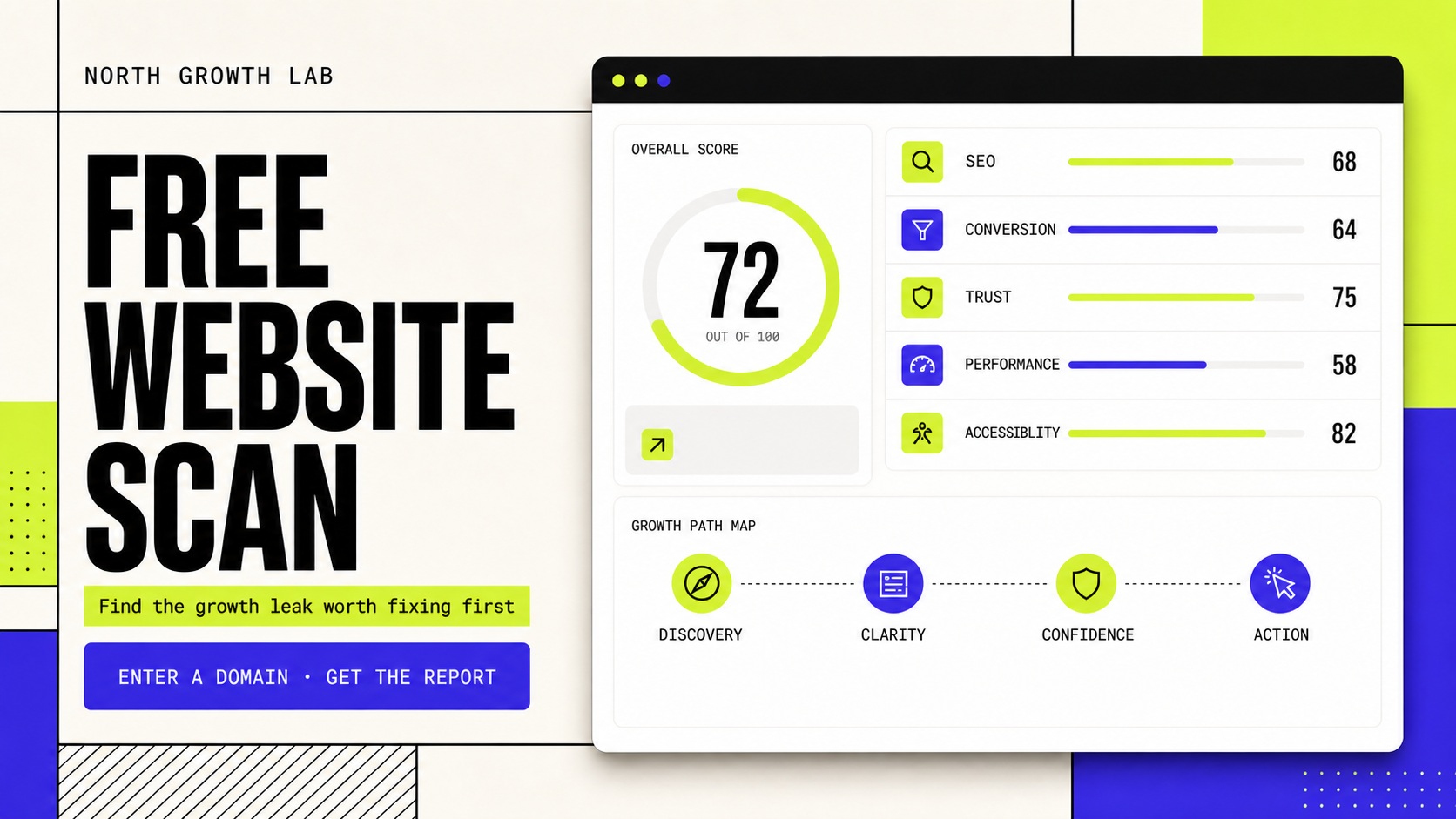
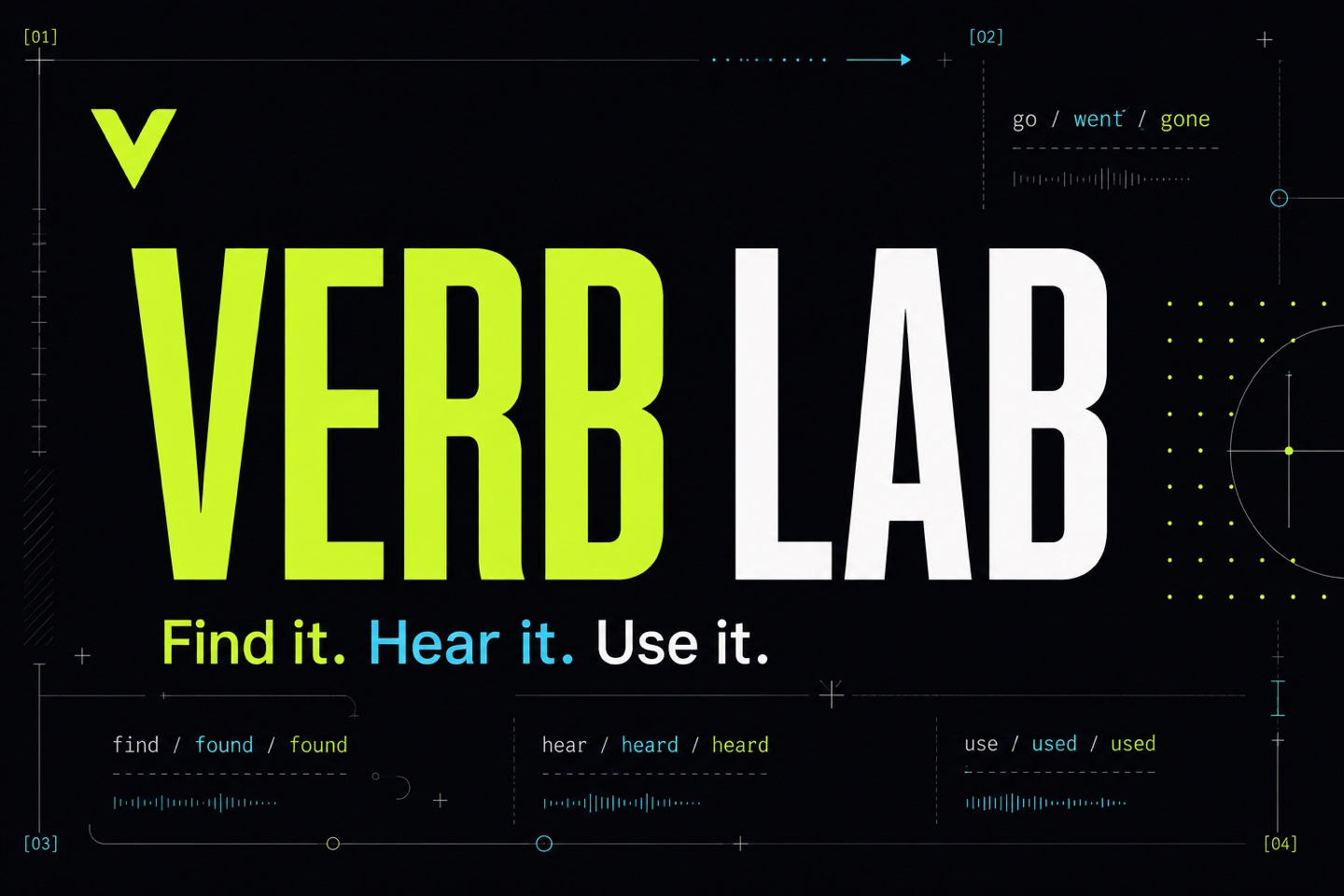
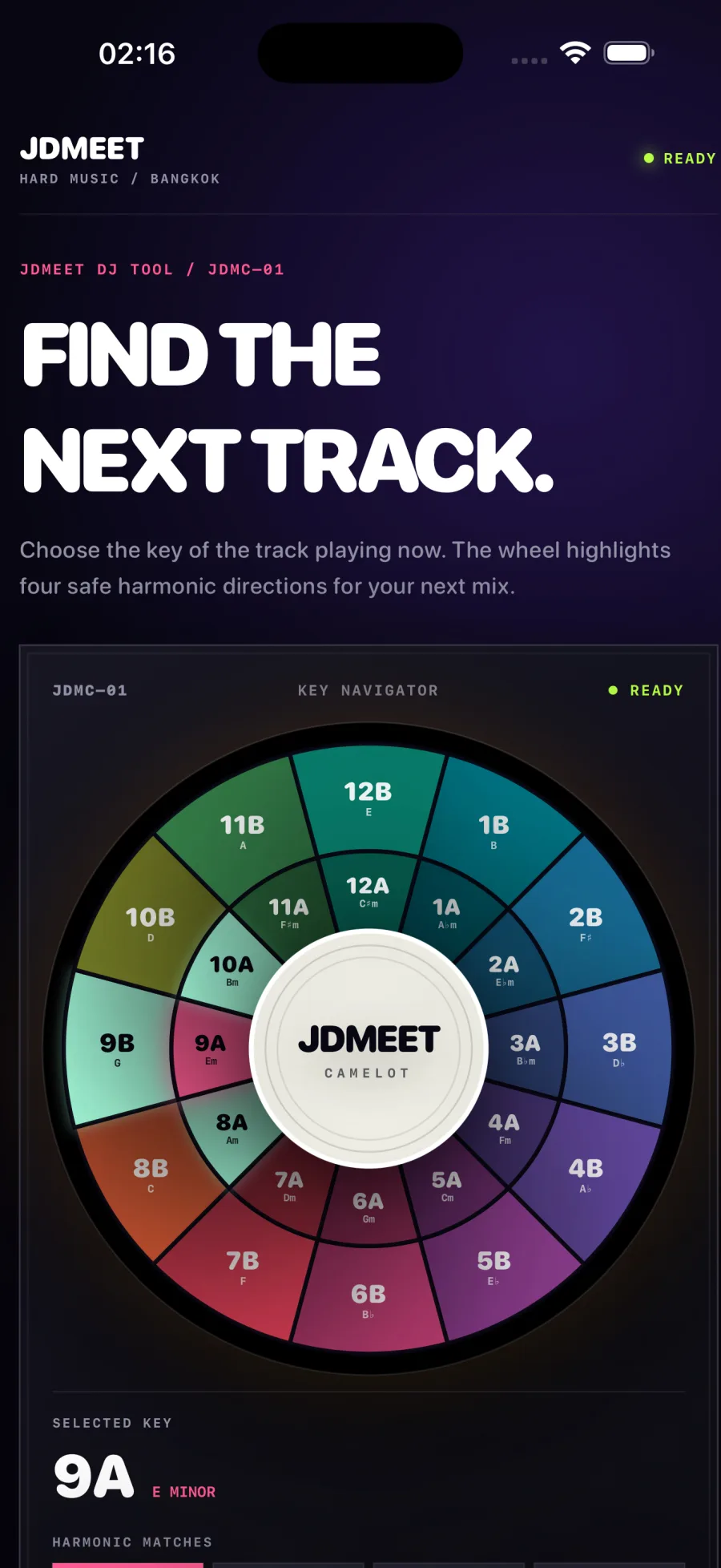
Client websites, our own working products and native apps. Two selected hospitality and brand concepts are clearly labelled.
LIVE PRODUCT
WE ARE MK STUDIO
A marketing studio with a personal point of view.
About this project
A complete identity and website for Madina Kabidenova’s marketing studio. The MK monogram, blue palette and scroll-controlled film lead into case studies and a callback form connected to Telegram and corporate email.
Our live JD Studio website brings web design, application development and automation into one studio identity, with motion-led storytelling, selected work and a direct project enquiry path.
An artist website for a Bangkok-based DJ performing across Asia. Live-session video, selected SoundCloud mixes and direct Telegram booking bring his sound and identity together.
Learn verbs in your browser. Keep practising on iPhone.
About this project
A language-learning website and native iPhone app for English and other languages. Search verbs, explore conjugation tables, listen to pronunciation and practise active recall with multilingual explanations. The web version works on phones, tablets and desktop browsers.
An offline harmonic-mixing companion for iPhone and iPad. Choose a key on the 24-key Camelot wheel to see compatible neighbours and relative major or minor keys. Includes haptic feedback and VoiceOver support, with no account or advertising.
A practical scope for website maintenance, monitoring, backups, lead delivery, reporting and accountable support—plus the items that need separate approval.
Map a Google Ads landing-page lead from accepted form to delivery, qualification and customer outcome with a practical search-to-sale measurement plan.
A copy-ready Google Ads landing page brief connecting search intent, ad promise, proof, qualification, tracking, lead routing and launch acceptance before design begins.
A practical framework for deciding whether to redesign the current website, rebuild the platform or improve the highest-leverage pages without replacing everything.
A realistic website redesign or rebuild timeline covering discovery, copy, development, content and SEO migration, integrations, quality assurance and launch.
Web application development typically costs $10,000–$100,000+, depending on workflows, roles, data, integrations and risk. Compare practical 2026 scope bands.
How North Growth Lab designed and built a responsive six-pad rhythm sampler with real audio, rapid retriggering and live waveform feedback for the JDMEET artist website.
Landing page or website for Google Ads? Use a six-check decision matrix, hotel and design-studio examples, and a practical brief to choose the right destination.
A transparent guide to landing-page scope, cost drivers and budgeting for businesses that need qualified leads from paid search—not a decorative one-page design.
A practical decision framework for choosing a website, web application, iOS or Android app—and knowing when the business needs a connected combination.
Compare iOS, Android and simultaneous mobile development by audience, product behavior, device requirements, release operations and commercial evidence.
How we rebuilt our studio website around real projects, distinct service pages and crawlable content, with a practical release record and clear measurement limits.
How to Choose a DevOps Consulting Company: 12 Evidence-Led Questions
Updated August 16, 2026
Compare DevOps consultants with 12 practical questions covering releases, recovery, observability, cloud cost, ownership and handoff evidence.
This is an independent buyer framework based on public technical guidance. It is not a vendor ranking, certification review, security assessment, cloud recommendation or individualized legal, regulatory or procurement advice. The gym, restaurant and B2B software examples are illustrative—not North Growth Lab client case studies or outcome claims.
Buy a safer production system—not a tool catalogue.
A DevOps consultancy should make a specific application easier and safer to change, release, observe and recover. That outcome cannot be inferred from a list of cloud products, a Kubernetes diagram or a promise to automate everything. It needs a defined production boundary and evidence that the people operating the system can inspect.
The useful buying question is therefore not whether a firm uses the same tools as your shortlist. Ask how it will discover the present constraint, which decision it will make reversible, what must be demonstrated before acceptance and who owns the result after the engagement ends. A strong proposal translates each answer into an artifact, rehearsal or measured baseline.
Start with one named application or service. A booking flow that loses reservations, an ordering application with risky releases and a B2B platform with unexplained cloud cost require different first engagements. A company-wide transformation slogan is too broad to price, verify or hand over responsibly.
Copy this proposal evidence matrix before meeting vendors.
Use the matrix to normalize proposals that use different terminology. An acceptable answer names evidence you can review. A warning sign is not automatic disqualification, but it identifies an assumption that must be resolved before the work begins. The final column prevents temporary consulting access from becoming permanent operational dependence.
Buyer question
1. How will you map the current state?
Acceptable evidence
Workload, dependency, release, incident and ownership map
Warning sign
Recommendation arrives before discovery
Owner after handoff
Named application owner
Buyer question
2. Which outcome gets a baseline?
Acceptable evidence
One application-level delivery or reliability baseline
Warning sign
Universal percentage guarantee
Owner after handoff
Product and engineering owner
Buyer question
3. How are architecture choices recorded?
Acceptable evidence
Decision record with options, trade-offs and reversibility
Warning sign
Default platform prescribed from the sales call
Owner after handoff
Technical owner
Buyer question
4. Can environments be reproduced?
Acceptable evidence
Reviewed versioned definition plus state and secret boundaries
Warning sign
Production exists mainly as console changes
Owner after handoff
Client repository and cloud account owner
Buyer question
5. What must pass before release?
Acceptable evidence
Build, test, migration, deployment, verification and failure path
Warning sign
Pipeline ends at successful deployment
Owner after handoff
Application release owner
Buyer question
6. How will delivery performance be measured?
Acceptable evidence
Contextual throughput and instability measures
Warning sign
One metric used as a target for every team
Owner after handoff
Application team
Buyer question
7. Which user journey defines reliability?
Acceptable evidence
User-facing indicator, objective and correlated telemetry
Warning sign
Infrastructure uptime presented as customer success
Owner after handoff
Service owner
Buyer question
8. What recovery evidence will exist?
Acceptable evidence
Rollback, restore or fix-forward rehearsal and result
Warning sign
Backup existence treated as proof of recovery
Owner after handoff
Incident and data owner
Buyer question
9. Who controls access and secrets?
Acceptable evidence
Privilege map, temporary access, rotation and revocation plan
Warning sign
Shared credentials or unexplained permanent access
Owner after handoff
Client security or platform owner
Buyer question
10. How will cost and complexity be decided?
Acceptable evidence
Current cost boundary, assumptions and material trade-offs
Warning sign
Savings claim without workload and billing context
Owner after handoff
Budget and workload owner
Buyer question
11. What support is included?
Acceptable evidence
Hours, severity, response boundary and escalation in writing
Warning sign
DevOps support assumed to mean 24/7 response
Owner after handoff
Named operational contact
Buyer question
12. What remains in our control?
Acceptable evidence
Repositories, accounts, code, dashboards, runbooks and open risks
Warning sign
Black-box managed dependency without an exit path
Owner after handoff
Named owners in the handoff ledger
1. How will you map the current production state?
The first deliverable should describe the system that exists before it describes the system a consultant wants to sell. Ask for the application boundary, environments, cloud accounts, repositories, external dependencies, data paths, release steps, recurring incidents, manual interventions, operating costs and the people who currently make production decisions.
The map should include the happy path and the recovery path. A release system can appear efficient when every change succeeds; the hidden constraint is often what happens after a migration fails, an integration times out or the only person with console knowledge is unavailable. Discovery should show where work waits, where evidence disappears and where ownership changes hands.
Name the application or workload being improved and explicitly exclude unrelated systems.
Identify one critical customer or staff journey the production system must protect.
Trace how a code change reaches production and how a failed change is detected and remediated.
Record unknowns as risks with an owner and next check instead of hiding them inside a fixed diagram.
2. Which outcome gets a baseline before work starts?
A consultant cannot demonstrate improvement without a dated starting point. The baseline may describe delivery flow, production reliability, recovery, cloud cost or operating effort, but it must match the constraint that justified the engagement. A team suffering from failed migrations needs different evidence from a team whose largest problem is idle non-production infrastructure.
DORA's current software delivery model uses five metrics: change lead time, deployment frequency, failed deployment recovery time, change fail rate and deployment rework rate. DORA advises applying them in context and at the level of one application or service. They are a useful compass, not a universal score or a contractual promise that every product should deploy at the same frequency.
Ask which source produces the baseline and how incomplete or manual data will be disclosed.
Pair a speed measure with a stability measure so faster activity cannot hide more production intervention.
Keep product outcome and engineering delivery evidence separate; a faster pipeline does not itself prove customer or revenue impact.
3. How are architecture decisions recorded and challenged?
Architecture is a set of trade-offs under real constraints. Ask the consultancy to record the problem, relevant context, considered options, decision, consequences, reversibility, cost implication and owner for each material choice. The record matters because a diagram shows components but rarely explains why they exist or when the choice should be revisited.
AWS Well-Architected is one example of a structured review across operational excellence, security, reliability, performance efficiency, cost optimization and sustainability. The useful lesson is not that every application belongs on AWS. It is that a production decision affects several operating qualities and should be reviewed in the context of the workload and business—not sold as a fashionable default.
Require a workload reason before accepting Kubernetes, microservices or multiple cloud providers.
Ask which decision is expensive to reverse and which can remain deliberately simple for now.
Record rejected options so a future team does not repeat the same investigation without context.
4. Can an agreed environment be reproduced from version control?
Infrastructure as code is valuable when it makes intended state reviewable, repeatable and attributable. It is not complete merely because a repository contains configuration files. Ask how the consultancy handles code review, state, drift, environment-specific values, secrets, provider changes, emergency interventions and imports of resources that already exist.
The acceptance test should match the engagement. For a new product, that may mean creating a non-production environment from the agreed definitions. For an existing system, it may mean reconciling one bounded component without destructive replacement. In both cases, the client should control the repository and cloud accounts unless another ownership model is explicitly agreed.
5. What must pass before a release—and what happens when it fails?
A pipeline is not accepted because it can deploy a successful change. It should expose how source becomes a traceable artifact, which tests and security checks block promotion, how database or data migrations are handled, which approval is required, how production is verified and what happens when a gate fails.
Ask the finalist to walk through one failure scenario using your application boundary. The answer may be rollback, fix forward, traffic shift or another recovery action. What matters is that the trigger, authority, data implication and verification are explicit. A green deployment status is weak evidence if the customer journey is broken after the release.
Release stage
Build
Evidence to request
Versioned source, reproducible artifact and provenance
Failure question
Can the same source produce the same deployable unit?
Release stage
Verify
Evidence to request
Relevant automated and manual acceptance results
Failure question
Which failed check blocks promotion?
Release stage
Migrate
Evidence to request
Backward/forward compatibility and data check
Failure question
What happens if application and schema versions diverge?
Release stage
Deploy
Evidence to request
Controlled promotion and accountable approval
Failure question
Who may stop, reverse or continue the change?
Release stage
Observe
Evidence to request
User-facing and technical post-release checks
Failure question
How is silent degradation found?
Release stage
Recover
Evidence to request
Rehearsed rollback, restore or fix-forward action
Failure question
What data or external side effect cannot be reversed?
6. How will delivery performance be measured without gaming it?
Use delivery metrics to find constraints and validate a change, not to reward visible activity. A target such as more deployments can encourage smaller safer changes, but it can also produce meaningless releases if separated from change failure, rework and customer value. Ask how the consultant will interpret the measures together and how the application context will be retained.
The measurement contract should specify the event, data source, observation window, exclusions and responsible reviewer. If historical data is missing, the engagement can first make the signal collectable and state that outcome honestly. It should not reconstruct a flattering baseline from memory.
7. Which user journey defines reliability?
Infrastructure health is necessary but not sufficient. OpenTelemetry frames reliability around whether a service does what users expect and describes traces, metrics and logs as complementary telemetry signals. Ask which customer or staff action matters, how success and latency are measured and which context lets a responder move from the failed journey to the responsible component.
A gym booking system may be technically online while double-booking a class. A restaurant application may return successful HTTP responses while an order never reaches the kitchen. The useful service indicator represents the behavior the business depends on, and the objective creates a shared reliability expectation for product and engineering decisions.
Start with one critical user journey rather than every endpoint and infrastructure metric.
Define what counts as a valid attempt, success, failure and excluded event.
Connect telemetry across the request path so a responder can investigate why the journey failed.
Assign alert and dashboard ownership; collecting data without a response boundary is not operational readiness.
8. What recovery evidence will exist?
A configured backup does not prove that data can be restored within the business constraint. Ask which data and configuration are protected, who can initiate recovery, what dependencies are required, how integrity is checked and when the path was last rehearsed. Recovery expectations should match the workload instead of borrowing universal recovery-time or recovery-point numbers from another business.
Release recovery and disaster recovery are related but different. A rollback may reverse an application version while leaving an incompatible data migration or external side effect. A restore may recover data while leaving the release defect in place. The proposal should name the scenario each mechanism addresses and the residual risk it does not remove.
9. Who controls production access, secrets and audit evidence?
Ask for a responsibility map covering cloud accounts, source control, deployment systems, secret stores, observability, DNS, data systems and emergency access. The map should distinguish the client's administrative control, a consultant's temporary implementation access and the runtime identities used by applications and automation.
The handoff should include revocation or role reduction, secret rotation where appropriate, recovery access and a record of remaining third-party dependencies. A consultancy may help implement security controls, but its access pattern or a vendor certification does not automatically establish compliance with your legal or regulatory obligations.
10. How will cost and operational complexity be decided?
Cloud cost is a consequence of product demand, architecture, environment policy, data movement, availability expectations, licensing and operating habits. Ask the consultancy to establish the billing boundary and usage assumptions before presenting savings. The result should identify material drivers and responsible owners, not just a dashboard of every line item.
Architecture complexity also creates an operating cost even when it does not appear on the provider invoice. More clusters, accounts, vendors and custom platform components require upgrades, access control, telemetry, incident knowledge and handoff. A cheaper service can still create a more expensive system if the team cannot operate it.
Separate production demand from idle, duplicate or forgotten non-production resources.
State which reliability, security or performance requirement justifies an expensive component.
Assign a recurring review owner so savings do not disappear after the engagement ends.
11. What support and incident coverage is actually included?
DevOps consulting can mean a fixed assessment, project implementation, embedded engineering, business-hours support or a managed operational service. These models create different prices and obligations. Ask for the included hours, communication channel, severity definitions, response expectation, remediation boundary, escalation route and exclusions in writing.
Do not infer 24/7 on-call coverage from phrases such as production support or continuous monitoring. Monitoring can detect an event without creating a human response obligation. If the client remains on call, the engagement should state which runbooks, alerts, permissions and training make that responsibility realistic.
12. What remains in our control after handoff?
A successful engagement leaves the operating team stronger. Normalize each proposal against a handoff ledger that names the repository, account, infrastructure definition, pipeline, artifacts, dashboards, alerts, runbooks, decision records, support contacts, licences, open risks and next improvement backlog. Every item needs an owner and an acceptance action—not just a link in a final email.
Knowledge transfer should use the real production workflow. Ask the client's owner to perform a normal change, find a failing journey, follow the incident path or restore the agreed test boundary while the consultant observes. A recorded presentation is useful reference material, but it does not prove independent operation.
Compare proposals against the production constraint.
The following scenarios are illustrative. They show why the same checklist should produce different scopes rather than the same platform recommendation. A good answer preserves the business context while making acceptance concrete.
Illustrative business
Gym booking product
Named constraint
Customers occasionally see availability that the booking system cannot honor
Useful first scope
Trace the booking journey, concurrency boundary, source of truth and alert path
A platform, provider or tool is prescribed before the application and operating constraint are mapped.
The proposal guarantees a cost, speed, uptime or deployment improvement without a dated baseline and observation contract.
Kubernetes, microservices, multi-cloud or a custom internal platform is the default answer regardless of team size and workload.
The release plan ends with deployment and contains no customer-journey verification or failure action.
Backups exist, but no restore boundary, integrity check or rehearsal is included.
The consultancy requires permanent broad access, shared credentials or accounts outside client control without a documented reason and exit plan.
Managed support is described without hours, severity, response, escalation and exclusions.
Handoff means documentation delivery rather than client ownership and an observed operating exercise.
Certifications, partner badges or a large tool list are used as substitutes for relevant production evidence.
When a DevOps consultancy is the wrong purchase.
Consulting is not automatically the right solution. A narrow, well-defined administration task may need a specialist. A product team with stable demand and a permanent operating backlog may need an internal platform or reliability engineer. A company without an accountable application owner may need to establish product and operational responsibility before an external team can improve the system sustainably.
Consulting is most useful when a bounded production constraint crosses architecture, delivery and ownership; internal capacity is insufficient or a neutral review is valuable; and the client is prepared to retain accounts, decisions and operating knowledge. The engagement should reduce a dependency, not replace one undocumented dependency with another.
DevOps consulting company selection FAQ.
What is the difference between hiring a DevOps consultant and a DevOps engineer?
A consultant is usually best for a bounded assessment, architecture decision, release-system improvement, migration or reliability intervention with an explicit handoff. A permanent engineer is usually better when the organization has an ongoing operating backlog, stable product ownership and enough work to justify a continuing internal role. Some engagements combine both by using a consultant to establish the system and help an internal owner take it over.
What should a DevOps consulting proposal include?
It should name the application and current constraint, discovery boundary, deliverables, assumptions, responsibilities, acceptance evidence, access model, support boundary, handoff artifacts, exclusions and commercial terms. It should also state which outcome gets a baseline and what evidence will be available at the end.
Do we need a consultant certified by our cloud provider?
A relevant certification can support a capability discussion, but it does not prove that the team understands your application, production constraint or operating model. Evaluate applied evidence, the proposed people, decision quality, access model and handoff plan alongside any certification requirements your procurement or risk process sets.
Who should own the cloud accounts and DevOps tooling?
The client should normally retain administrative control of production accounts, repositories, billing and critical delivery systems. A different managed-service arrangement can be valid when its responsibilities, access, recovery and exit path are explicit. Temporary consultant access should be scoped, attributable and reduced or revoked at handoff.
How can we compare DevOps proposals that recommend different tools?
Normalize them against the same workload constraint and evidence matrix. Compare how each option handles ownership, reproducibility, release failure, user-facing reliability, recovery, cost, support and handoff. A tool is relevant only after the proposal explains why it fits the workload and who can operate it.
What happens after a DevOps consulting engagement ends?
The agreed client owners should control the accounts and artifacts, be able to perform the accepted operating workflows, understand unresolved risks and have a prioritized next backlog. Any continuing support, monitoring or incident responsibility should be documented as a separate explicit boundary rather than assumed.