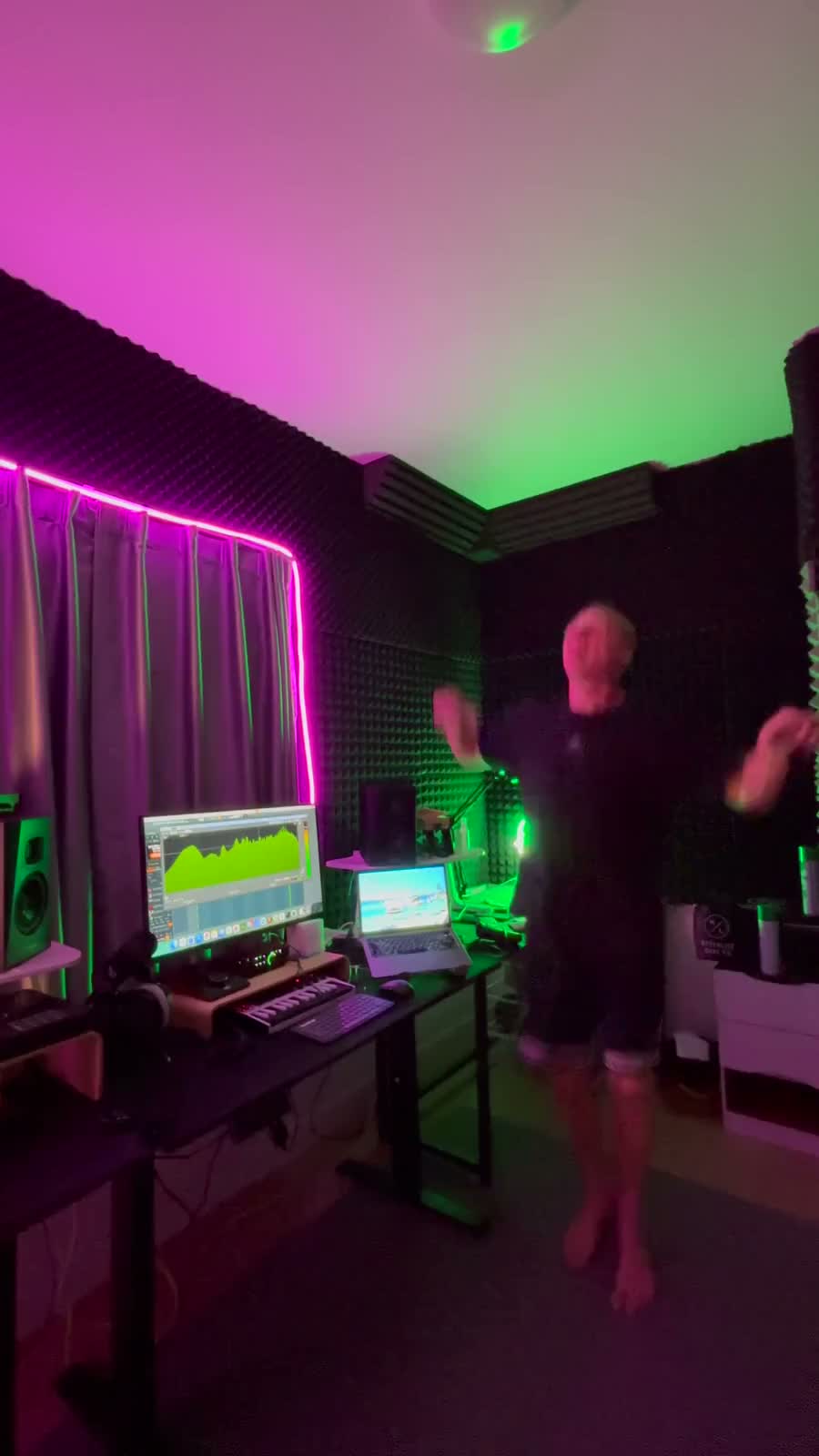
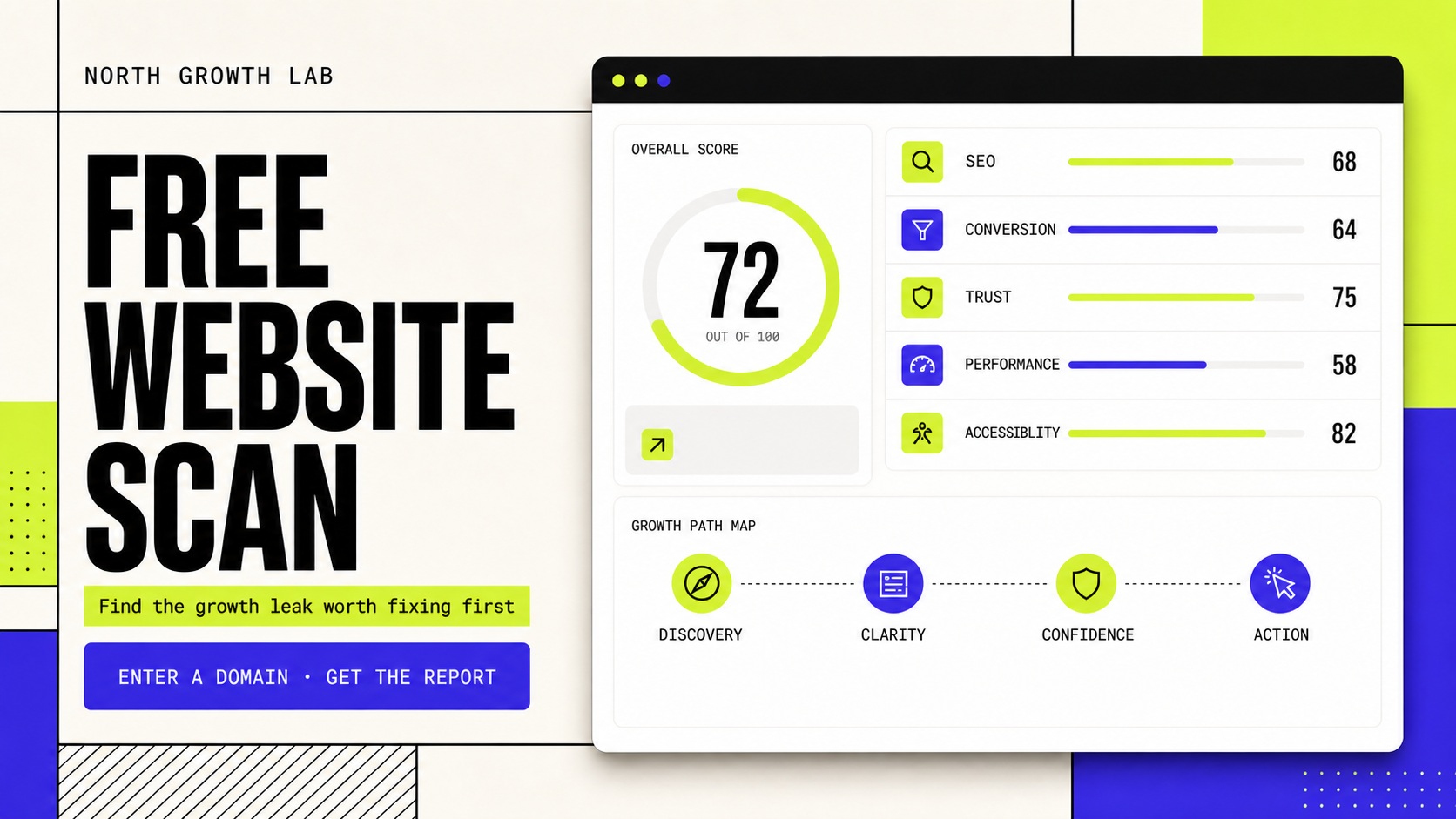
Client websites, our own working products and native apps. Two selected hospitality and brand concepts are clearly labelled.
LIVE PRODUCT
WE ARE MK STUDIO
A marketing studio with a personal point of view.
About this project
A complete identity and website for Madina Kabidenova’s marketing studio. The MK monogram, blue palette and scroll-controlled film lead into case studies and a callback form connected to Telegram and corporate email.
Our live JD Studio website brings web design, application development and automation into one studio identity, with motion-led storytelling, selected work and a direct project enquiry path.
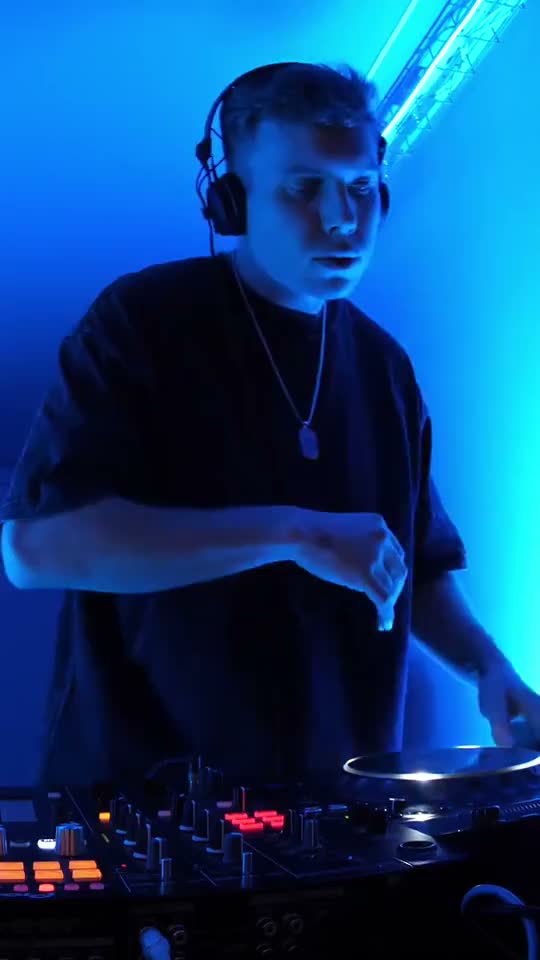
An artist website for a Bangkok-based DJ performing across Asia. Live-session video, selected SoundCloud mixes and direct Telegram booking bring his sound and identity together.
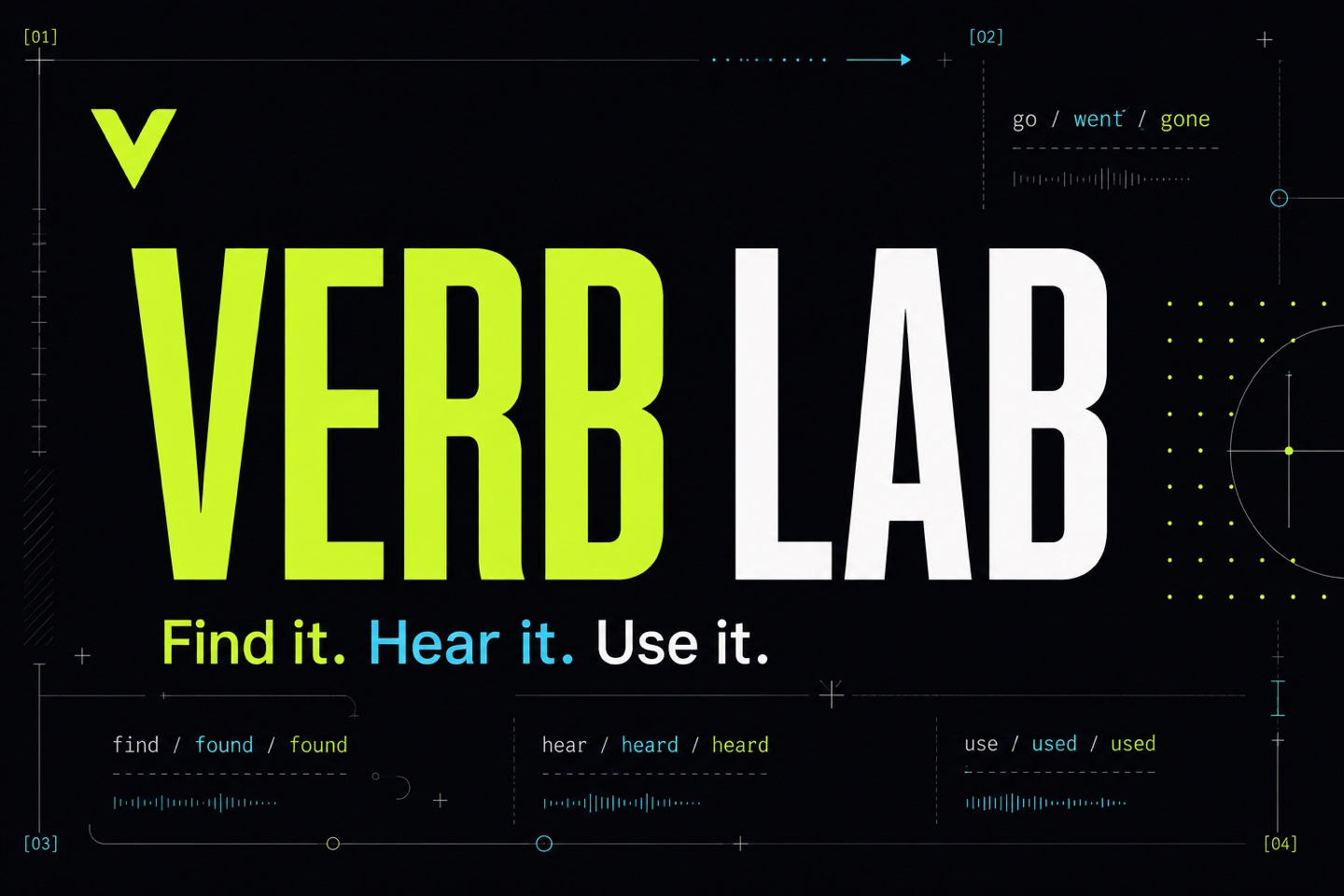
Learn verbs in your browser. Keep practising on iPhone.
About this project
A language-learning website and native iPhone app for English and other languages. Search verbs, explore conjugation tables, listen to pronunciation and practise active recall with multilingual explanations. The web version works on phones, tablets and desktop browsers.
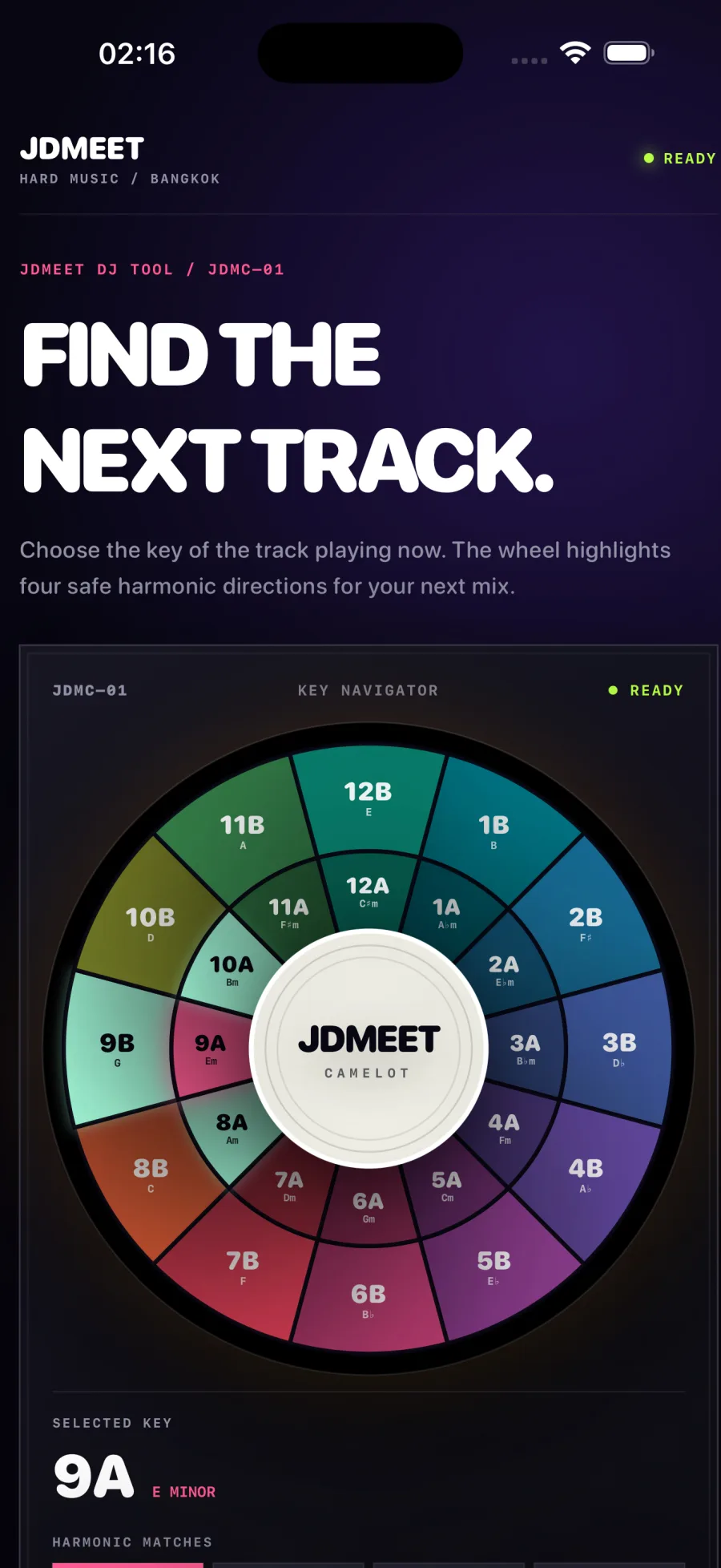
An offline harmonic-mixing companion for iPhone and iPad. Choose a key on the 24-key Camelot wheel to see compatible neighbours and relative major or minor keys. Includes haptic feedback and VoiceOver support, with no account or advertising.
A practical scope for website maintenance, monitoring, backups, lead delivery, reporting and accountable support—plus the items that need separate approval.
Map a Google Ads landing-page lead from accepted form to delivery, qualification and customer outcome with a practical search-to-sale measurement plan.
A copy-ready Google Ads landing page brief connecting search intent, ad promise, proof, qualification, tracking, lead routing and launch acceptance before design begins.
A practical framework for deciding whether to redesign the current website, rebuild the platform or improve the highest-leverage pages without replacing everything.
A realistic website redesign or rebuild timeline covering discovery, copy, development, content and SEO migration, integrations, quality assurance and launch.
Web application development typically costs $10,000–$100,000+, depending on workflows, roles, data, integrations and risk. Compare practical 2026 scope bands.
How North Growth Lab designed and built a responsive six-pad rhythm sampler with real audio, rapid retriggering and live waveform feedback for the JDMEET artist website.
Landing page or website for Google Ads? Use a six-check decision matrix, hotel and design-studio examples, and a practical brief to choose the right destination.
A transparent guide to landing-page scope, cost drivers and budgeting for businesses that need qualified leads from paid search—not a decorative one-page design.
A practical decision framework for choosing a website, web application, iOS or Android app—and knowing when the business needs a connected combination.
Compare iOS, Android and simultaneous mobile development by audience, product behavior, device requirements, release operations and commercial evidence.
How we rebuilt our studio website around real projects, distinct service pages and crawlable content, with a practical release record and clear measurement limits.
A real artist website build connecting identity, releases, interactive tools and booking, with a dated launch-to-release handoff checklist.
JDMEET Music is a real North Growth Lab website build, not a fictional demo or a claim about a paid client contract. The original launch was documented on August 24, 2026; the current public presentation was checked on October 15. Historical pre-save examples are not the current release state. No ranking, streaming, booking or revenue lift is claimed.
October 2026 update: the campaign has moved beyond pre-save.
The live homepage now presents Carburant as released on September 11, 2026, with a Spotify listening action and a dedicated release page. It also exposes a six-pad rhythm sampler, production notes, the Camelot tool, studio services and a separate Asia booking page. These are observable parts of the public website, not measurements of their commercial impact.
The August launch story below explains the original pre-release decisions. The change since then illustrates an ongoing website responsibility: the campaign promise, destination and measurement definition must move together. A page can retain its visual identity while changing what visitors can actually do today.
The job was to build an owned release system—not another social profile.
A music profile inside a streaming or social platform is valuable, but it inherits that platform's format, navigation and algorithm. A visitor may discover one track without understanding the artist, seeing live evidence or finding the correct professional contact. The JDMEET Music website creates one stable destination that can connect those jobs without asking every campaign to start from zero.
At the August 24 launch, the page introduced JDMEET and the music, routed listeners to Spotify, gave the then-upcoming Carburant release a pre-save action, presented existing tracks, showed studio and Hard Signal material, and ended with a booking and collaboration path. That is the launch baseline, not a description of today's campaign status.
We mapped five visitor states for the August launch.
This map prevents one generic call to action from competing with every reason someone may arrive. A listener should not have to pass through a booking form, and a promoter should not have to search a streaming profile for contact details. The website preserves one identity while giving each intent an appropriate exit.
Visitor state
First recognition
Question the page must answer
Who is JDMEET and what does the music feel like?
Primary action
Understand the artist positioning
Visitor state
Ready to listen
Question the page must answer
Where can I hear the released catalog now?
Primary action
Open Spotify or a specific track
Visitor state
Following the next release
Question the page must answer
What is coming next and how do I save it?
Primary action
Pre-save Carburant
Visitor state
Checking credibility
Question the page must answer
Is there real studio and live-performance evidence?
Primary action
Explore the studio transmission and live archive
Visitor state
Professional intent
Question the page must answer
How do I discuss a booking or collaboration?
Primary action
Open the dedicated email route
A release changes state without erasing the catalog.
Release campaigns are temporary; the artist website must remain useful between them. Carburant originally had a pre-save route ahead of September 11, 2026. The current site replaces that priority action with listening and release details, while retaining the catalog. This is an inspectable content transition, not evidence that the change increased listening or enquiries.
That separation also improves attribution. Campaign links can point to the relevant website state, while outbound Spotify and pre-save clicks remain distinguishable from booking intent. The site does not claim that an outbound click became a stream; it creates a cleaner, testable path between attention and the next platform.
Keep one permanent artist and catalog destination.
Give the current release one obvious campaign action.
Change the campaign module without changing the site's identity.
Use distinct tagged links for social, email, Reddit and event traffic.
Measure outbound actions without presenting them as verified listens or bookings.
Live and studio material carries the proof.
The site's red-lit Hard Signal photography and studio loop are not decorative stock media. They show the environment around the music: audience energy, performance context and production practice. The live archive gives a promoter or collaborator evidence that a text-only biography cannot provide, while the studio section connects the finished tracks to the work behind them.
Media still needs a job. The hero establishes atmosphere; the studio video supports the production story; the archive extends credibility for visitors who want to inspect more. Each asset is paired with descriptive alternative text or an accessible label so the visual direction does not erase basic usability.
The original launch separated fan actions from professional contact.
This distinction matters operationally. A fan interaction belongs in the listening and release journey. A promoter, label, venue or collaborator needs a professional route with enough context to start a real conversation. Combining those into one vague button would make both paths harder to understand and measure.
Path
Listen
Destination
JDMEET artist and track pages on Spotify
What success means
An attributed outbound click; streaming outcomes remain platform data
Path
Pre-save
Destination
The official Carburant pre-save page
What success means
A completed pre-save reported by the release platform
Path
Explore
Destination
Music, studio, origin and live sections
What success means
Meaningful engagement with the owned site
Path
Book or collaborate
Destination
info@jdmeetmusic.com
What success means
A relevant inquiry delivered to the artist's official address
The launch checklist covered discovery, sharing and ownership.
These checks make the website publishable; they do not guarantee discovery. Search visibility depends on continued crawl access, useful references from relevant artist and event surfaces, consistent entity information and time. The same is true for streaming growth: the site can improve the path, but the music, audience fit and distribution work still determine the outcome.
A unique title and description identify JDMEET, the music categories and international booking context.
Canonical and social metadata point to the owned jdmeetmusic.com domain.
Open Graph and Twitter metadata use a real Hard Signal image instead of a generic template card.
Navigation links reach Music, Studio and Origin as ordinary crawlable anchors.
Spotify, track, pre-save and email destinations are explicit and testable.
The custom domain responds over HTTPS and the public release returns HTTP 200.
The official contact address is separated from personal inbox branding.
Copy a release-state handoff record before changing the campaign.
Use one record for every campaign-state change. Fill in the actual URLs, responsible person, effective date and acceptance evidence before publishing. This is a reusable operational template derived from the build, not a claim that a particular analytics or sales result has already occurred.
Decision
State and owner
Record before publishing
Pre-launch, released or archived; effective date; approving owner
Acceptance check
The visible status agrees with the actual availability
Decision
Promise and destination
Record before publishing
Old CTA, new CTA and exact final URL
Acceptance check
The destination delivers what the button promises on phone and desktop
Decision
Permanent identity
Record before publishing
Artist/brand URL, catalog and evidence that must remain reachable
Acceptance check
A campaign update does not strand the permanent pages
Decision
Measurement
Record before publishing
Old event meaning, new action and source of outcome data
Acceptance check
Do not merge a pre-save, outbound listen click and qualified enquiry into one success metric
Decision
Recovery and review
Record before publishing
Previous version, rollback condition and next review date
Acceptance check
Restore a broken path promptly; assess results only over comparable measured periods
What this demonstrates for a brand-led website—and what it does not.
The transferable work is the relationship between identity, evidence and a useful next action. An established business can apply that same discipline to a changing collection, an enquiry-led service or a seasonal offer without copying a music site's visual language. This case demonstrates an implemented website and its content decisions; it is not proof of results in an unrelated industry.
The next measurement step is a clean baseline for visits by source, release and platform exits, and relevant professional enquiries. An outbound click is not a verified stream, and opening an email link is not a delivered booking request. Report comparable periods and confirmed outcomes before claiming a commercial improvement.
Why does an artist need a website when Spotify and social profiles already exist?
An owned website can connect identity, releases, live evidence, press or booking information and campaign-specific actions in one stable destination. Streaming and social platforms remain essential distribution channels, but they control their own format, ranking and audience access.
What should a music artist website include?
The smallest useful scope normally includes clear artist positioning, current and released music, one primary listening route, current campaign information, credible visual or live evidence and a professional contact path. Add press assets, events, merchandise or fan capture only when the operating need is real.
Does the JDMEET website guarantee more Spotify streams or bookings?
No. The website creates owned paths to music, current campaign destinations and professional contact. Audience fit, distribution, release quality and follow-up determine outcomes, which must be measured separately on the relevant platforms.
Can the website support future releases without a redesign?
Yes. The permanent artist identity, catalog, studio, live and contact structure can stay stable while the priority release module, artwork, destination and campaign links change for the next release.