Client websites, our own working products and native apps. Two selected hospitality and brand concepts are clearly labelled.
LIVE PRODUCT
WE ARE MK STUDIO
A marketing studio with a personal point of view.
About this project
A complete identity and website for Madina Kabidenova’s marketing studio. The MK monogram, blue palette and scroll-controlled film lead into case studies and a callback form connected to Telegram and corporate email.
Our live JD Studio website brings web design, application development and automation into one studio identity, with motion-led storytelling, selected work and a direct project enquiry path.
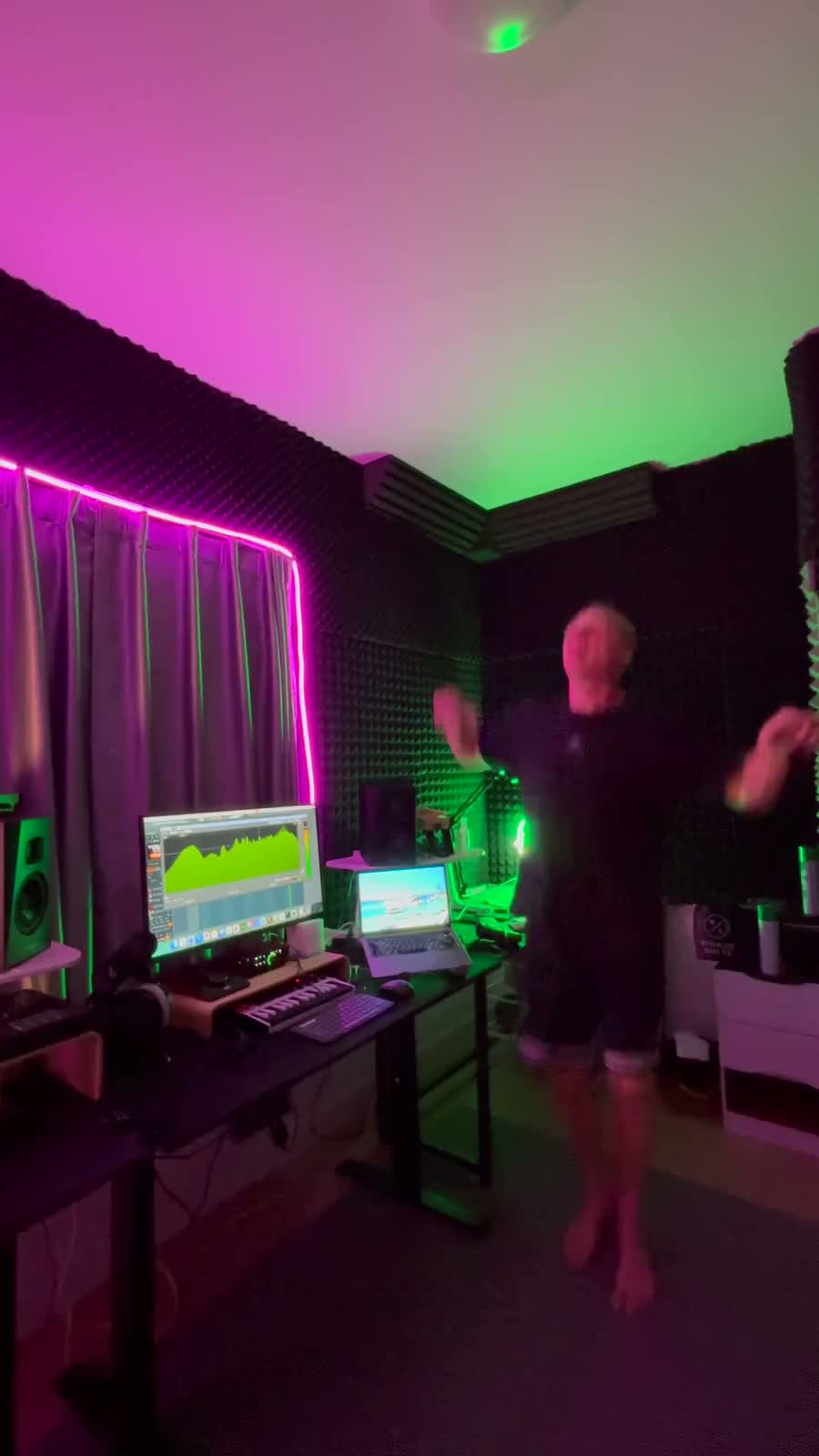
An artist website for a Bangkok-based DJ performing across Asia. Live-session video, selected SoundCloud mixes and direct Telegram booking bring his sound and identity together.
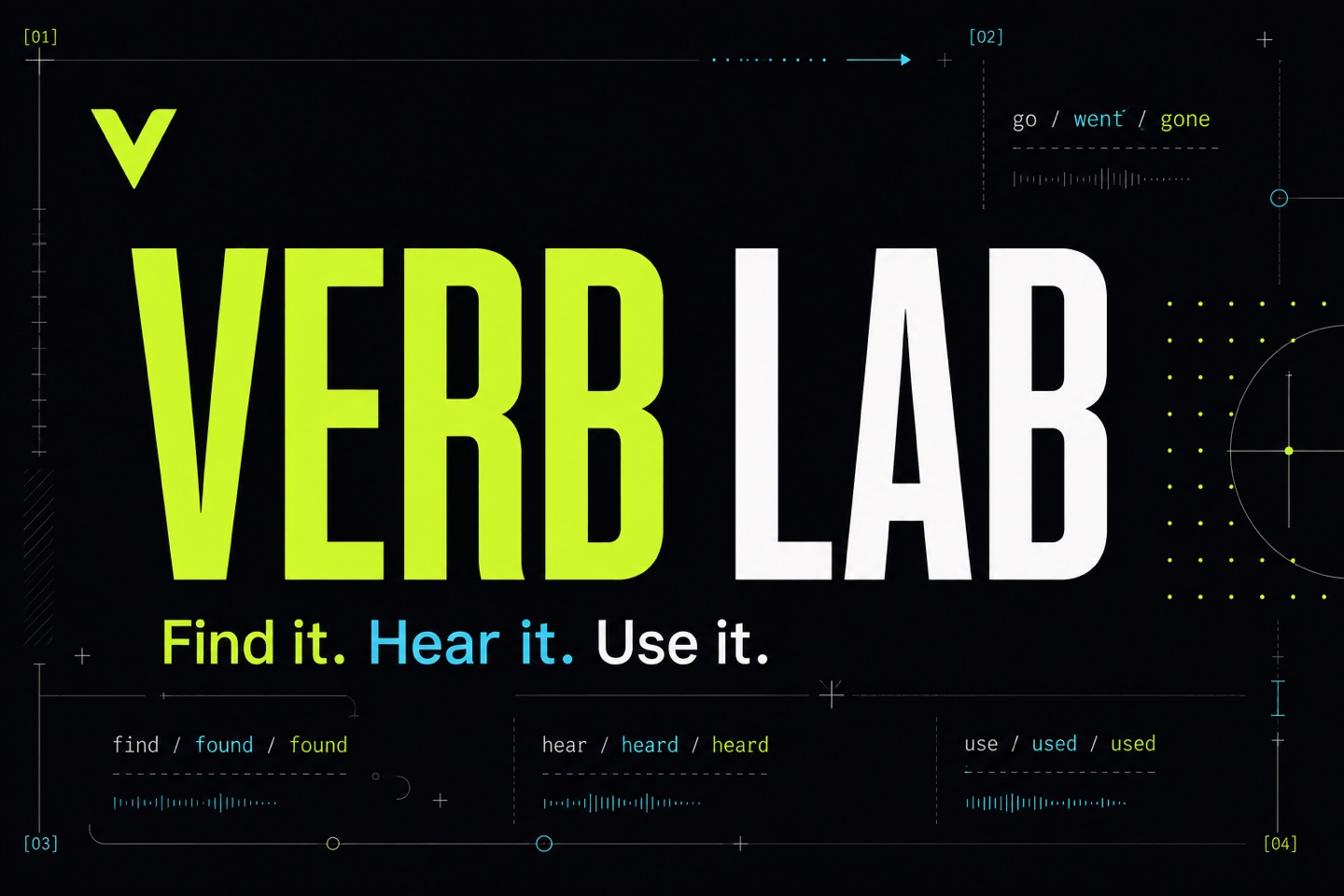
Learn verbs in your browser. Keep practising on iPhone.
About this project
A language-learning website and native iPhone app for English and other languages. Search verbs, explore conjugation tables, listen to pronunciation and practise active recall with multilingual explanations. The web version works on phones, tablets and desktop browsers.
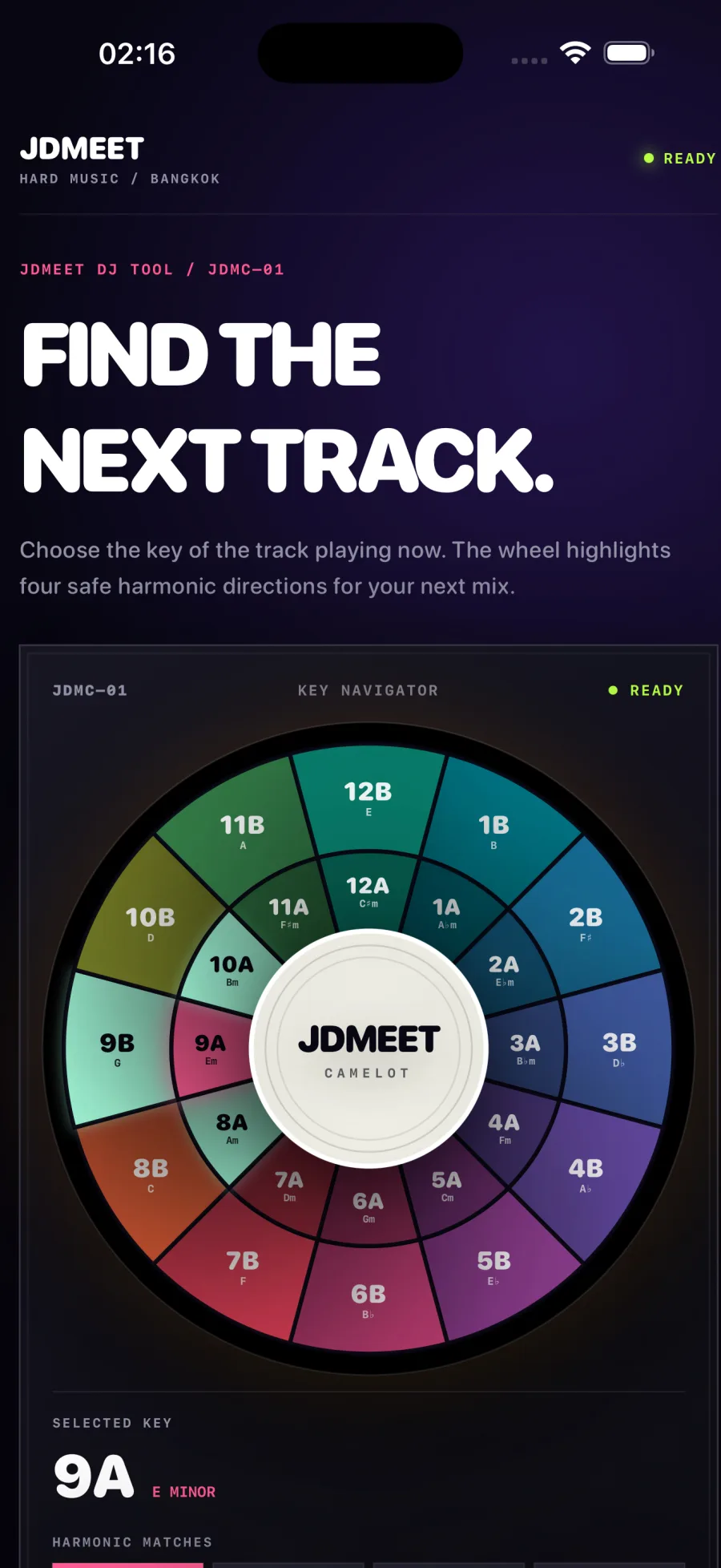
An offline harmonic-mixing companion for iPhone and iPad. Choose a key on the 24-key Camelot wheel to see compatible neighbours and relative major or minor keys. Includes haptic feedback and VoiceOver support, with no account or advertising.
A practical scope for website maintenance, monitoring, backups, lead delivery, reporting and accountable support—plus the items that need separate approval.
Map a Google Ads landing-page lead from accepted form to delivery, qualification and customer outcome with a practical search-to-sale measurement plan.
A copy-ready Google Ads landing page brief connecting search intent, ad promise, proof, qualification, tracking, lead routing and launch acceptance before design begins.
A practical framework for deciding whether to redesign the current website, rebuild the platform or improve the highest-leverage pages without replacing everything.
A realistic website redesign or rebuild timeline covering discovery, copy, development, content and SEO migration, integrations, quality assurance and launch.
Web application development typically costs $10,000–$100,000+, depending on workflows, roles, data, integrations and risk. Compare practical 2026 scope bands.
How North Growth Lab designed and built a responsive six-pad rhythm sampler with real audio, rapid retriggering and live waveform feedback for the JDMEET artist website.
Landing page or website for Google Ads? Use a six-check decision matrix, hotel and design-studio examples, and a practical brief to choose the right destination.
A transparent guide to landing-page scope, cost drivers and budgeting for businesses that need qualified leads from paid search—not a decorative one-page design.
A practical decision framework for choosing a website, web application, iOS or Android app—and knowing when the business needs a connected combination.
Compare iOS, Android and simultaneous mobile development by audience, product behavior, device requirements, release operations and commercial evidence.
How we rebuilt our studio website around real projects, distinct service pages and crawlable content, with a practical release record and clear measurement limits.
How we rebuilt our studio website around real projects, distinct service pages and crawlable content, with a practical release record and clear measurement limits.
This is our own studio website, not a commissioned client project. The implementation described here was checked on October 15, 2026. The August search figures below are historical evidence, not results of the October rebuild. No increase in rankings, qualified enquiries or revenue is claimed.
The business changed, so the evidence and structure had to change.
The earlier site emphasized local home-service demonstrations. The current direction is a digital studio for established, brand-conscious businesses, supported by websites and applications that people can actually inspect. The October update removed fictional roofing and electrical demos from the public portfolio instead of presenting them as evidence of client delivery.
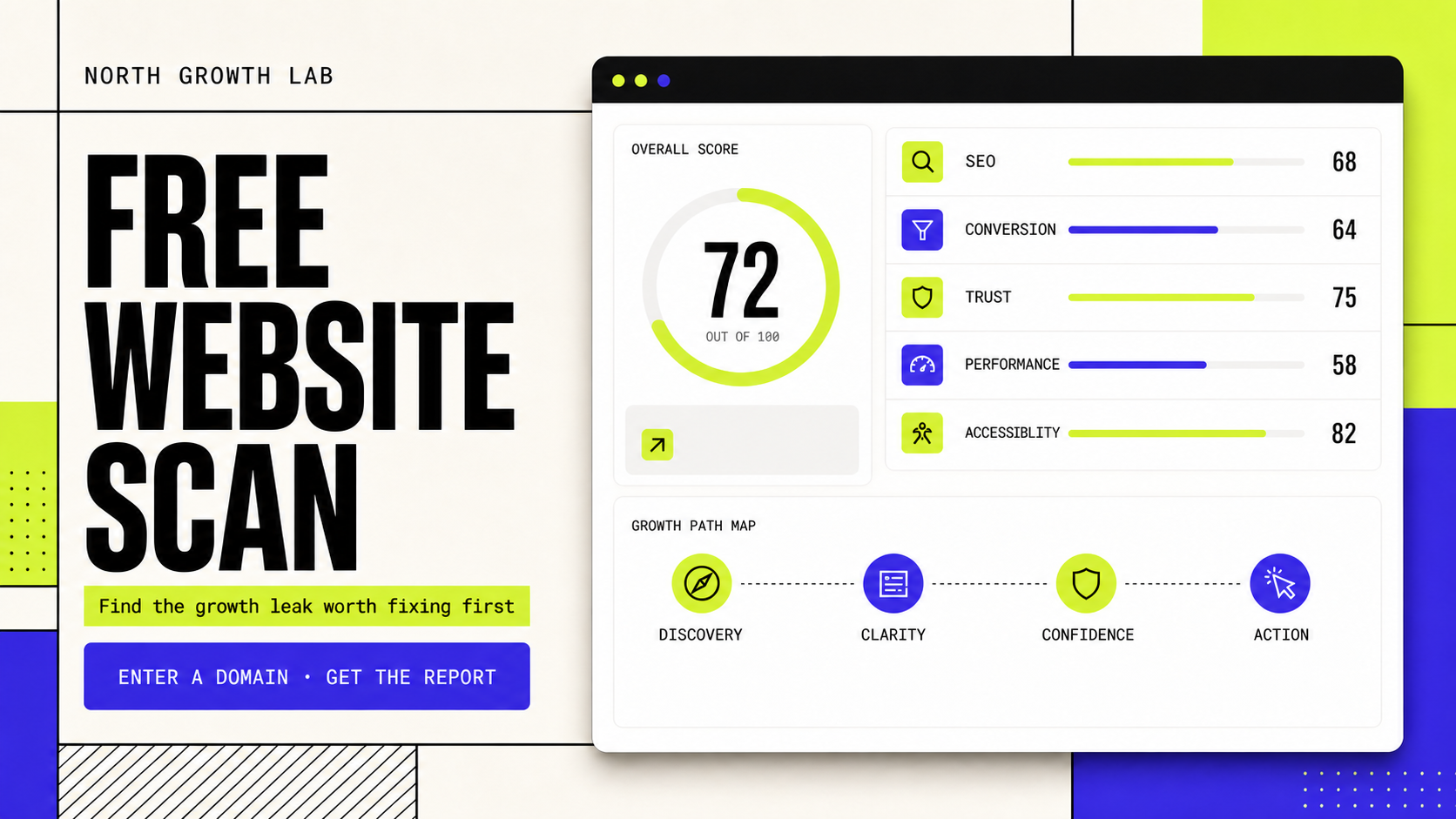
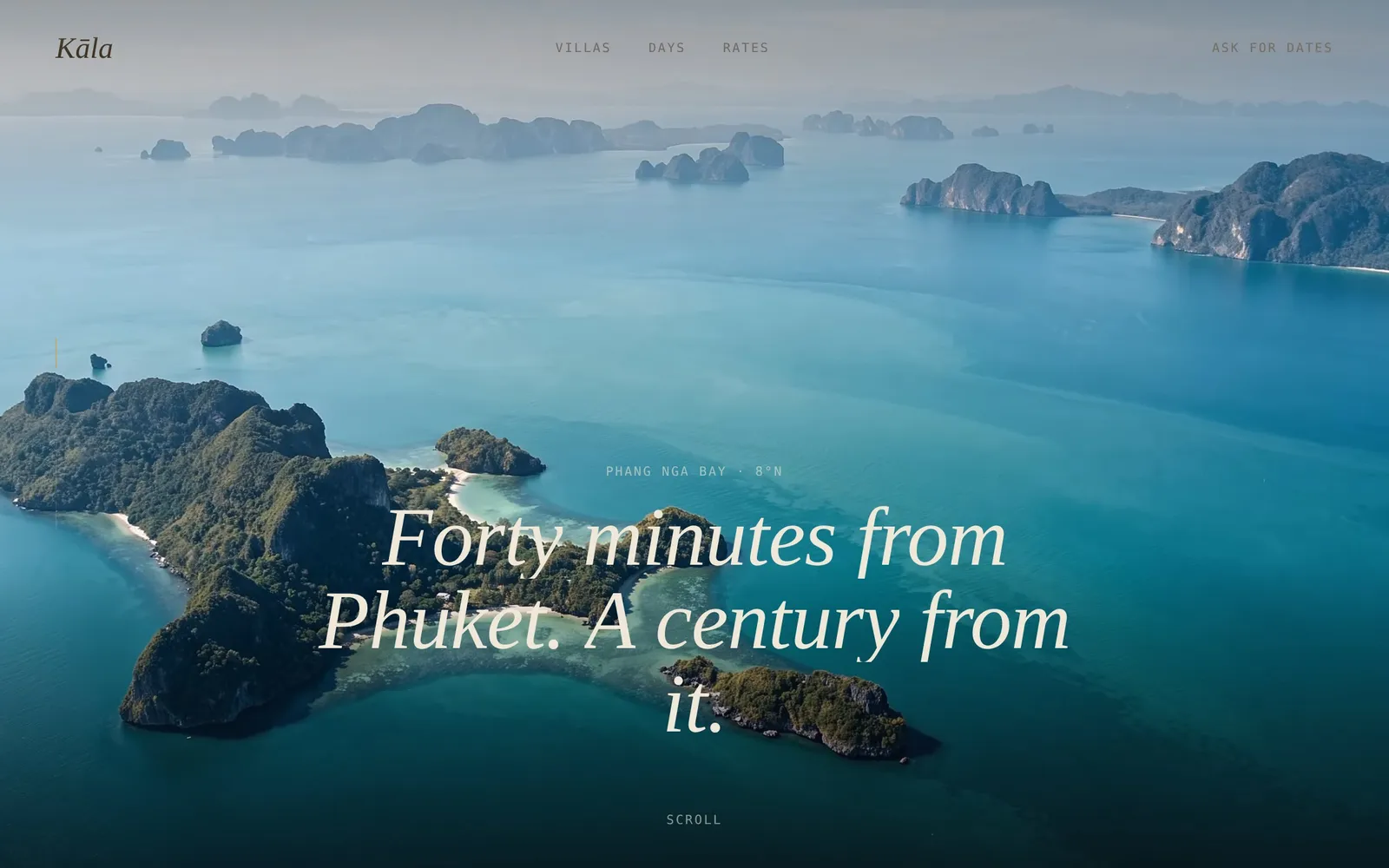
The portfolio now leads with Madina’s WE ARE MK STUDIO, JD Studio Works and JDMEET Music, alongside KVADRAT, Growth Scan, Verb Lab, jdmeet camelot and Pick a Drive. Kāla and SAI Cold Brew remain separately disclosed creative concepts, not commissioned hotel or beverage clients. The distinction is part of the evidence, not a footnote that permits invented results.
Decision
Replace the former trade-demo emphasis
Reason
The evidence must represent the work we want to discuss
Current implementation
Real website and app projects, with separate concept disclosures
Decision
Retain distinct commercial destinations
Reason
A redesign buyer and an Ads landing-page buyer have different questions
Current implementation
Separate redesign and Google Ads landing-page services
Decision
Support research before an enquiry
Reason
A buyer may need to define scope before contacting a studio
Current implementation
A redesign brief, editable worksheet and diagnostic tool
Decision
Keep direct URLs useful
Reason
A search visitor should reach the requested content
Current implementation
Service, article and portfolio content available at their own addresses
The homepage journey is not a substitute for the destination.
Northbound, our current homepage, uses a cinematic metro journey and a phone-like interface. That presentation expresses the studio’s identity. It does not mean that someone arriving at a service or article URL should have to replay the homepage before reading what they requested.
The October release restored direct service and article entry, ordinary navigation links and complete article and portfolio content in the initial HTML response. The same content is available in a no-JavaScript reading view. This lets the interactive presentation coexist with explicit addresses and inspectable content; it does not establish that every visitor prefers the visual direction or that every search engine will index every page.
The redesign and Ads landing-page services have different content, metadata and resource links; they no longer collapse into one generic service destination.
Portfolio entries include project descriptions and website or App Store destinations in ordinary HTML, not only after a carousel interaction.
Articles retain their addresses, original publication dates, complete text, tables and sources when opened directly or from the journal.
Contextual resources connect evaluation with an appropriate service or enquiry path. A visitor can inspect the brief without registering.
Discovery checks and Google’s index are separate evidence.
The domain is verified in Search Console. The public sitemap lists the current index targets, while intentionally retired trade-acquisition articles return a removal response and do not appear in the current journal, sitemap or feed. Relevant existing service and article URLs were retained rather than replaced by new keyword variants.
Our October 15 release checks confirmed that current sitemap pages were reachable through ordinary initial-HTML links and returned their intended canonical and indexing directives. Google’s stored index records can still reflect an earlier crawl. A successful live test or accepted indexing request is not a confirmed normal recrawl, an indexed result or an improved position.
Check a page’s HTTP status, canonical, indexing directives and content together; a 200 response alone is insufficient.
Inspect the requested article or service content, not just a working homepage or an app launcher.
Test the links people use as well as sitemap inclusion, and preserve useful destinations when changing navigation.
Record live-test results and stored crawl dates separately. Do not report one as the other.
A release record that another team can use.
For this rebuild we separated presentation, content and release acceptance. A version could look finished while still failing a direct-entry or migration check. The following record makes that distinction explicit without turning a technical pass into a commercial success claim.
Record field
Source and rollback
What we checked
Release from synchronized, isolated source; retain the previous deployed version
Limit to keep visible
A rollback plan does not replace checking the actual release
Record field
Content and destinations
What we checked
Compare article and portfolio records with initial HTML and follow the important links
Limit to keep visible
Rendered text is not evidence that a claim about a client is true
Record field
Desktop and mobile tasks
What we checked
Open a direct article, return to its catalogue, choose work and reach the relevant service
Limit to keep visible
A few tested viewports are not an accessibility certification or user study
Technical eligibility does not guarantee indexation or rankings
Record field
Enquiry and measurement
What we checked
Preserve the existing form and analytics implementation and run scoped regression tests
Limit to keep visible
This editorial release did not submit a live enquiry or verify a new inbox receipt
Historical August baseline—not an October result.
The original August record is retained for transparency. As observed on August 14, 2026, the completed July 25–August 12 Search Console window reported 128 impressions, 1 click, 0.8% CTR and an average position of 69.2 across the domain. These figures describe the earlier website, not the current redesign or a result produced by it.
In the equal seven-day comparison, August 6–12 produced 60 impressions versus 52 during July 30–August 5. Average position moved from 65.8 to 74.0 and clicks from one to zero. That is broader recorded exposure with weaker average placement, not a ranking win or evidence of its cause. These historical periods cannot be compared directly with a differently sized October reporting window.
Evidence date
July 25–August 12
Verified observation
128 impressions, 1 click, 0.8% CTR, average position 69.2
What it does not prove
First-page visibility or qualified inquiries
Evidence date
August 6–12 vs July 30–August 5
Verified observation
60 vs 52 impressions; average position 74.0 vs 65.8; 0 vs 1 click
What it does not prove
That rankings improved while discovery expanded
Evidence date
October 15 implementation checks
Verified observation
Current service, portfolio and article destinations verified independently of the old search baseline
What it does not prove
That the October changes caused a measured ranking or revenue improvement
What we will and will not claim.
The verified result is a published rebuild with inspectable projects, distinct service destinations and accessible article content. First-page commercial rankings, increased qualified enquiries and revenue gains remain unproven. A visual redesign cannot manufacture demand or substitute for an offer, credible evidence and reliable follow-up.
The next measurement needs equal complete search periods, relevant queries and countries, and production analytics that exclude internal tests and unrelated traffic. An enquiry must be reconciled with its actual destination before it is called delivered, and qualification must come from the business rather than a button click. Growth Scan can help identify technical questions; it is not a full crawl, a Search Console report or a measurement of sales outcomes.
Now verified
Published service and insight architecture
Not yet claimed
Organic ranking growth
Next evidence
Search Console impressions and positions over time
Now verified
Current sitemap and crawlable content
Not yet claimed
Guaranteed indexation
Next evidence
Stored index decisions and normal crawl dates
Now verified
Preserved enquiry and analytics implementation
Not yet claimed
Improved lead volume or quality
Next evidence
Delivered, qualified enquiries tied to landing pages
Now verified
Real projects and labelled concepts
Not yet claimed
Client revenue impact
Next evidence
Client-approved evidence with comparable baselines