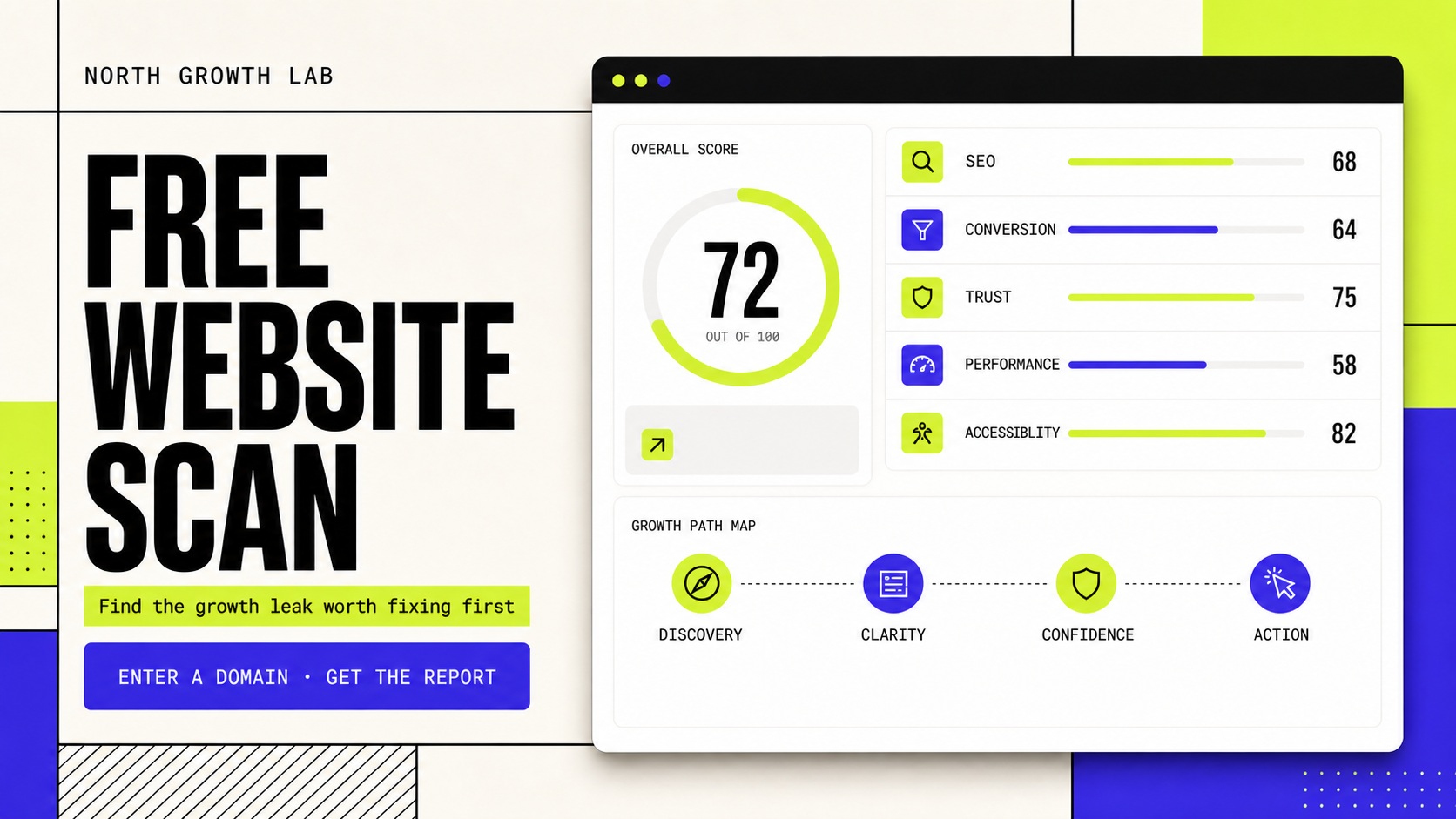
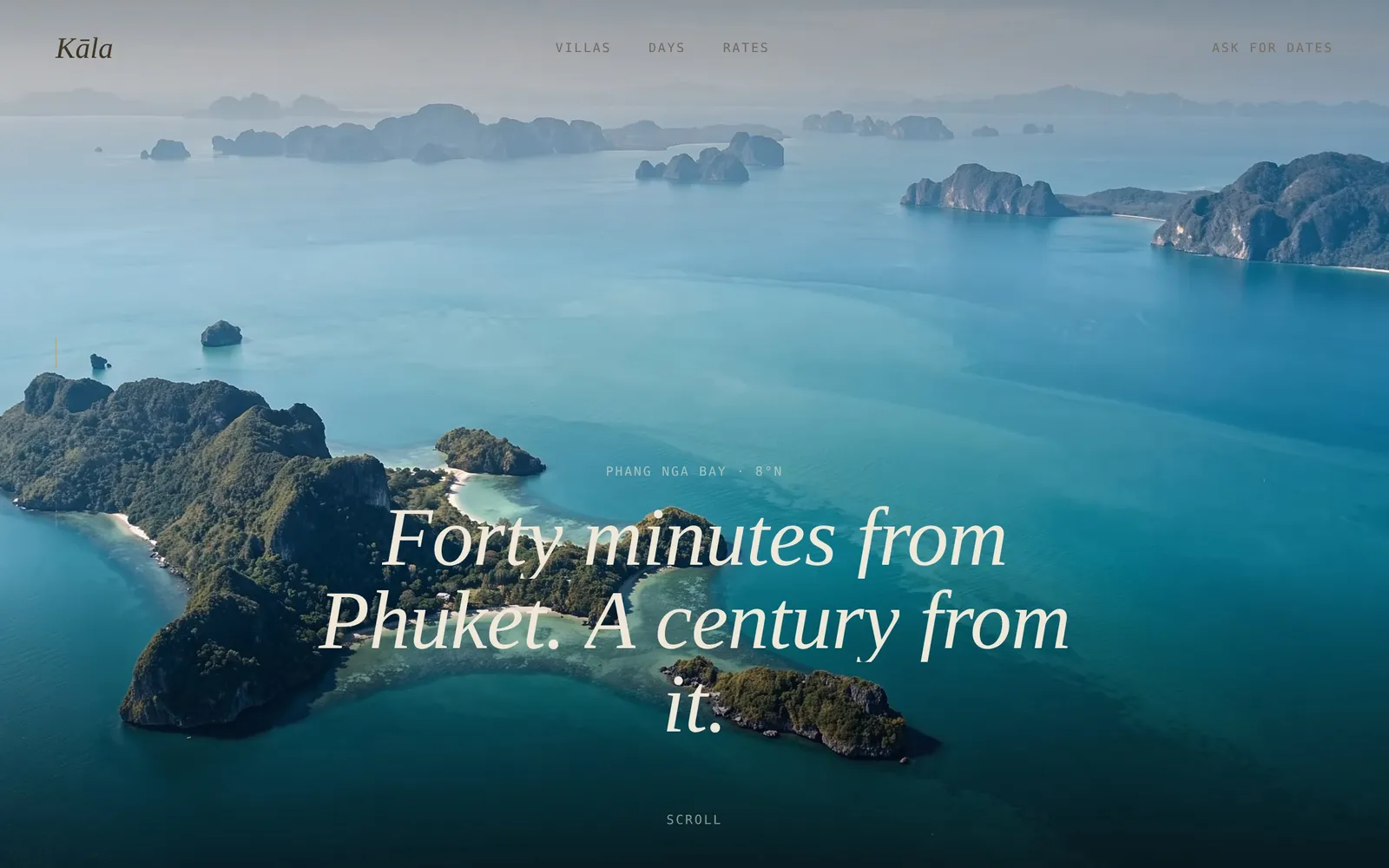
Client websites, our own working products and native apps. Two selected hospitality and brand concepts are clearly labelled.
LIVE PRODUCT
WE ARE MK STUDIO
A marketing studio with a personal point of view.
About this project
A complete identity and website for Madina Kabidenova’s marketing studio. The MK monogram, blue palette and scroll-controlled film lead into case studies and a callback form connected to Telegram and corporate email.
Our live JD Studio website brings web design, application development and automation into one studio identity, with motion-led storytelling, selected work and a direct project enquiry path.
An artist website for a Bangkok-based DJ performing across Asia. Live-session video, selected SoundCloud mixes and direct Telegram booking bring his sound and identity together.
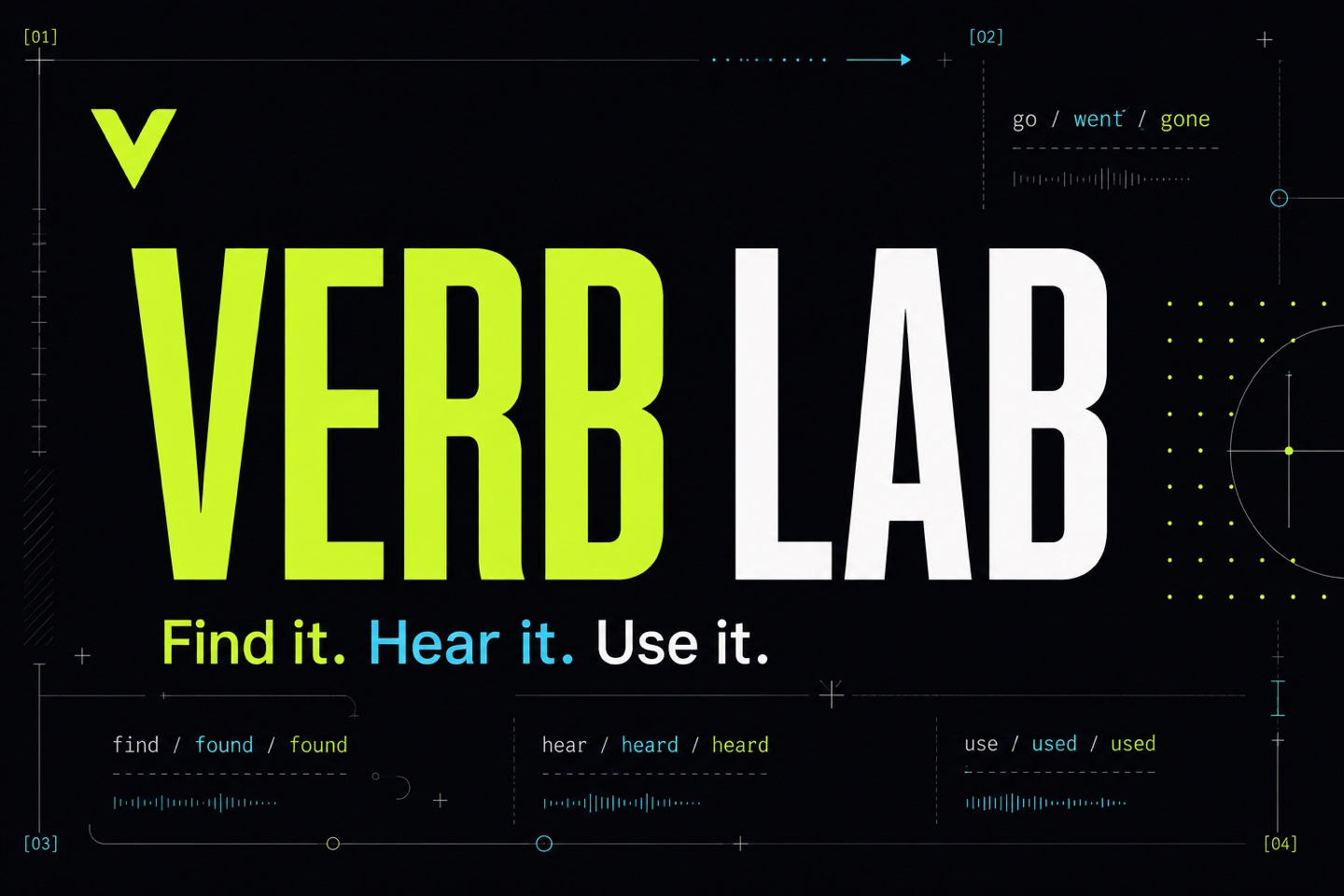
Learn verbs in your browser. Keep practising on iPhone.
About this project
A language-learning website and native iPhone app for English and other languages. Search verbs, explore conjugation tables, listen to pronunciation and practise active recall with multilingual explanations. The web version works on phones, tablets and desktop browsers.
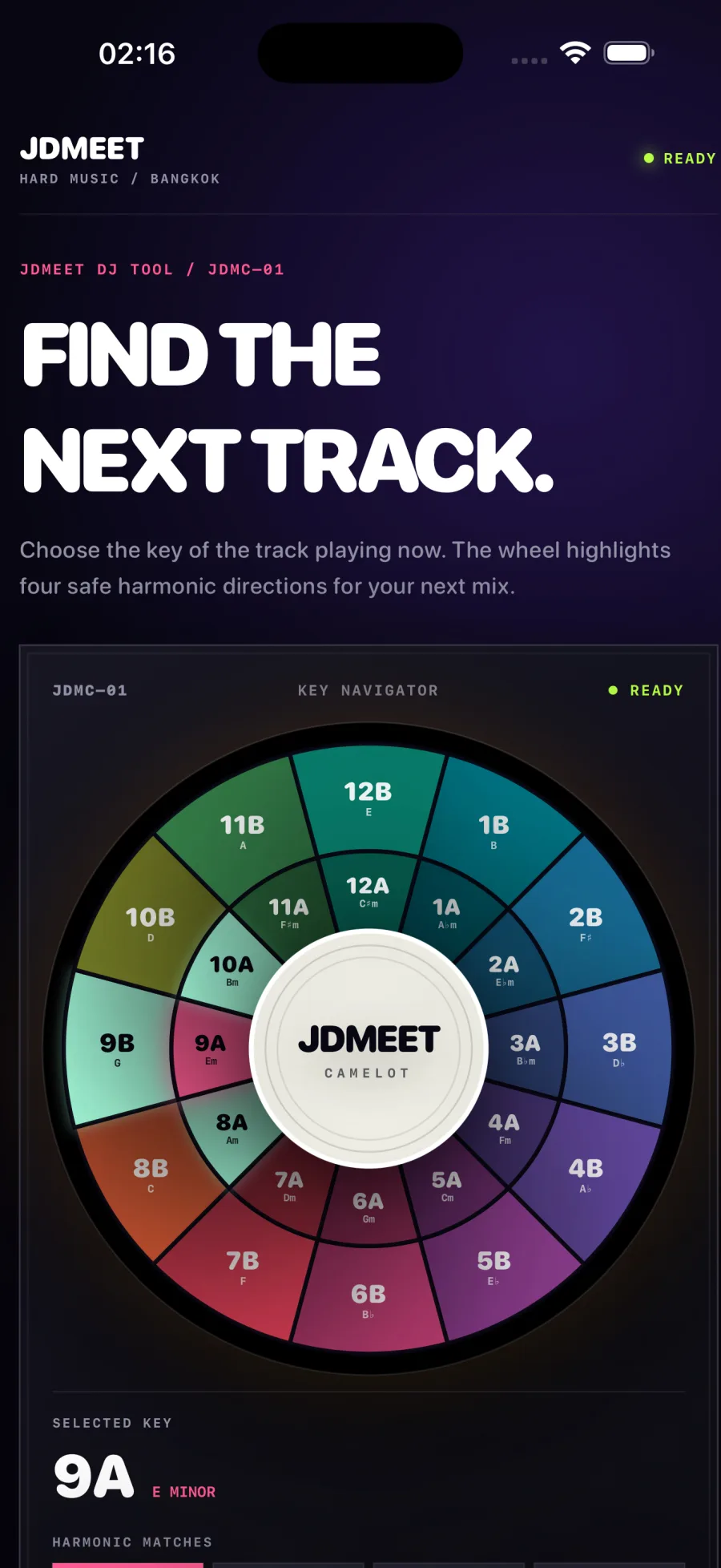
An offline harmonic-mixing companion for iPhone and iPad. Choose a key on the 24-key Camelot wheel to see compatible neighbours and relative major or minor keys. Includes haptic feedback and VoiceOver support, with no account or advertising.
A practical scope for website maintenance, monitoring, backups, lead delivery, reporting and accountable support—plus the items that need separate approval.
Map a Google Ads landing-page lead from accepted form to delivery, qualification and customer outcome with a practical search-to-sale measurement plan.
A copy-ready Google Ads landing page brief connecting search intent, ad promise, proof, qualification, tracking, lead routing and launch acceptance before design begins.
A practical framework for deciding whether to redesign the current website, rebuild the platform or improve the highest-leverage pages without replacing everything.
A realistic website redesign or rebuild timeline covering discovery, copy, development, content and SEO migration, integrations, quality assurance and launch.
Web application development typically costs $10,000–$100,000+, depending on workflows, roles, data, integrations and risk. Compare practical 2026 scope bands.
How North Growth Lab designed and built a responsive six-pad rhythm sampler with real audio, rapid retriggering and live waveform feedback for the JDMEET artist website.
Landing page or website for Google Ads? Use a six-check decision matrix, hotel and design-studio examples, and a practical brief to choose the right destination.
A transparent guide to landing-page scope, cost drivers and budgeting for businesses that need qualified leads from paid search—not a decorative one-page design.
A practical decision framework for choosing a website, web application, iOS or Android app—and knowing when the business needs a connected combination.
Compare iOS, Android and simultaneous mobile development by audience, product behavior, device requirements, release operations and commercial evidence.
How we rebuilt our studio website around real projects, distinct service pages and crawlable content, with a practical release record and clear measurement limits.
A B2B Google Ads landing page checklist covering message match, proof, lead qualification, measurement and sales handoff before you scale paid search.
The first screen must complete the promise made by the ad.
A B2B buyer who searched for a specific service should not arrive on a generic homepage and search again. The landing page should immediately confirm the problem, eligible company, operating market and next step. Reuse the language of the search when it is accurate, but write for a buying group making a decision rather than for a keyword counter.
The H1 names the service or outcome behind the ad group.
The supporting copy clarifies who the offer is for and where it is available.
The primary action is visible without removing the evidence needed to trust it.
The mobile first screen preserves the same promise and action.
The page does not mix unrelated services that require different decisions.
Build the B2B page around one buying situation.
B2B landing pages often fail by trying to serve every industry, company size and use case at once. Paid search gives you the opportunity to narrow the message. A page for teams replacing a manual reporting workflow should not read like a page for executives comparing enterprise platforms, even if both ultimately buy the same product.
The page does not need to reveal every technical detail above the fold. It does need to make the business situation recognizable and give the visitor enough evidence to justify the next step to colleagues who did not click the ad.
Search situation
Problem-aware
Landing-page emphasis
Cost, delay or risk created by the current process
Primary next step
See the approach or relevant example
Search situation
Solution-aware
Landing-page emphasis
How the offer works and where it differs
Primary next step
Request a tailored walkthrough
Search situation
Vendor comparison
Landing-page emphasis
Fit, proof, implementation and commercial clarity
Primary next step
Book a qualified evaluation
Search situation
High-urgency service
Landing-page emphasis
Availability, scope, response and accountable contact
Score the page before increasing B2B Google Ads spend.
Give each area zero points when it is absent, one point when it is present but generic and two points when it is specific, credible and verified. A low score is not a reason to decorate the page. It shows which part of the paid-search-to-sales handoff needs to be corrected before more budget reaches it.
The score is deliberately commercial. A landing page can look polished and still fail when the buying situation is vague, proof is detached from the claim, conversion tracking fires too early or sales receives no campaign context.
Area
Message match
0–1 point
Generic category copy
2 points
The first screen continues the exact searched situation and ad promise
Area
Buyer fit
0–1 point
Everyone appears eligible
2 points
Company type, market, use case and exclusions are clear
Area
Proof
0–1 point
Unsupported claims or logo strip
2 points
Relevant evidence sits beside the decision it supports
Area
Qualification
0–1 point
Every submission looks identical
2 points
The form captures only information that changes routing or response
Area
Measurement
0–1 point
Button click counted as success
2 points
Successful submission, source and landing page are recorded
Area
Sales handoff
0–1 point
Lead disappears into a shared inbox
2 points
Owner, response expectation and outcome feedback are defined
Put proof beside the moment of commitment.
Visitors arriving from search have intent, but they do not automatically trust the advertiser. Show the process, realistic response expectation, accountable contact information and proof that can be verified. Avoid unsupported superlatives, fake countdowns and performance claims that the business cannot document.
Visitor question
Can you solve this problem?
Page evidence
Specific service scope, process and relevant examples
Visitor question
Do you serve my situation?
Page evidence
Eligibility, geography, timing and exclusions
Visitor question
What happens after I contact you?
Page evidence
Clear response and qualification sequence
Visitor question
Why should I trust this?
Page evidence
Real identity, verifiable proof and accurate policies
Track the whole handoff.
An advertising dashboard cannot see whether the sales team received or qualified the inquiry unless the measurement system carries that information forward. A cheap conversion can be expensive when it is outside the service area or impossible to contact.
Record the landing page, campaign and search context with the inquiry.
Fire the conversion event only after the form or booking succeeds.
Separate scans, calls, bookings and contact forms into meaningful events.
Measure qualified-lead rate, appointment rate, show rate and customer outcome.
Test inbox or CRM delivery and the response process before buying clicks.
Shorter is not automatically better. A B2B form should request only the information required to route and respond usefully, but it may need more context than a consumer newsletter form. Ask what the sales team will do differently with each field. If the answer is nothing, remove it.
When the offer has a long sales cycle, provide a lower-commitment path for visitors who are relevant but not ready to schedule. A useful comparison, calculator or implementation guide can capture demand without pretending every visitor is sales-ready.
State what happens after submission and when a response should arrive.
Use company email only when it materially improves qualification.
Keep calendar availability accurate and explain whether the meeting is confirmed.
Send campaign, keyword and landing-page context with the lead.
Give research-stage visitors a genuinely useful next resource instead of a dead end.
Separate a UK B2B inquiry from future marketing.
A request for a quote, demo or consultation gives the business a clear reason to answer that request. It should not be treated as blanket permission for unrelated follow-up campaigns. Before a UK launch, map the form purpose, contact type and follow-up channel with the person responsible for privacy compliance, then make the page and CRM follow the decision.
This distinction matters because the ICO says UK GDPR applies when B2B marketing uses personal data, while PECR treatment can differ between corporate subscribers and individual subscribers such as sole traders and some partnerships. Legitimate interests can be appropriate in some circumstances, but it is not an automatic default: the ICO expects the purpose, necessity and balancing tests to be assessed. This checklist is operational guidance, not legal advice.
UK B2B form check
Requested response
Pass condition
The confirmation states who will respond, about what and within what timeframe
UK B2B form check
Marketing purpose
Pass condition
Optional future marketing is explained separately from the requested service response
UK B2B form check
Contact category and channel
Pass condition
The responsible owner has documented whether the contact is a corporate or individual subscriber and which channel will be used
UK B2B form check
Evidence record
Pass condition
The CRM stores the form notice version, stated purpose, page, source, choices and timestamp
UK B2B form check
CRM handoff
Pass condition
Declining optional marketing does not block the quote, demo or consultation the visitor requested
UK B2B form check
Suppression
Pass condition
Opt-outs and objections are applied to the appropriate do-not-contact list before another campaign is sent
Use the free pre-launch test.
Open the page on a phone, read only the first screen and ask whether the offer, audience and next step are clear. Submit the form using realistic data. Confirm the success state, inbox delivery, analytics event and response expectation. Then ask someone unfamiliar with the project to explain what the business sells after ten seconds.
If the page fails those tests, more traffic will amplify the leak. Fix the page first, then use a narrow campaign to learn which searches and offers produce qualified conversations.