Client websites, our own working products and native apps. Two selected hospitality and brand concepts are clearly labelled.
LIVE PRODUCT
WE ARE MK STUDIO
A marketing studio with a personal point of view.
About this project
A complete identity and website for Madina Kabidenova’s marketing studio. The MK monogram, blue palette and scroll-controlled film lead into case studies and a callback form connected to Telegram and corporate email.
Our live JD Studio website brings web design, application development and automation into one studio identity, with motion-led storytelling, selected work and a direct project enquiry path.
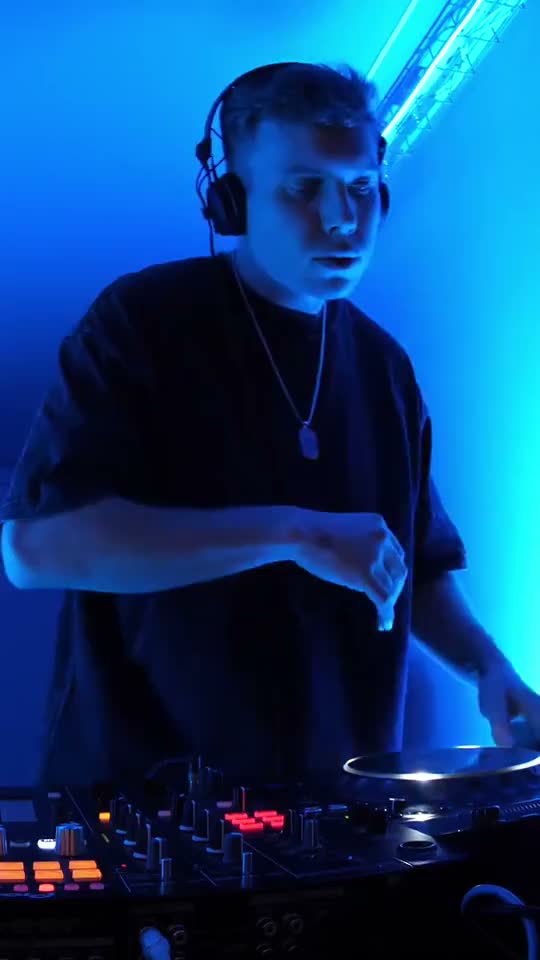
An artist website for a Bangkok-based DJ performing across Asia. Live-session video, selected SoundCloud mixes and direct Telegram booking bring his sound and identity together.
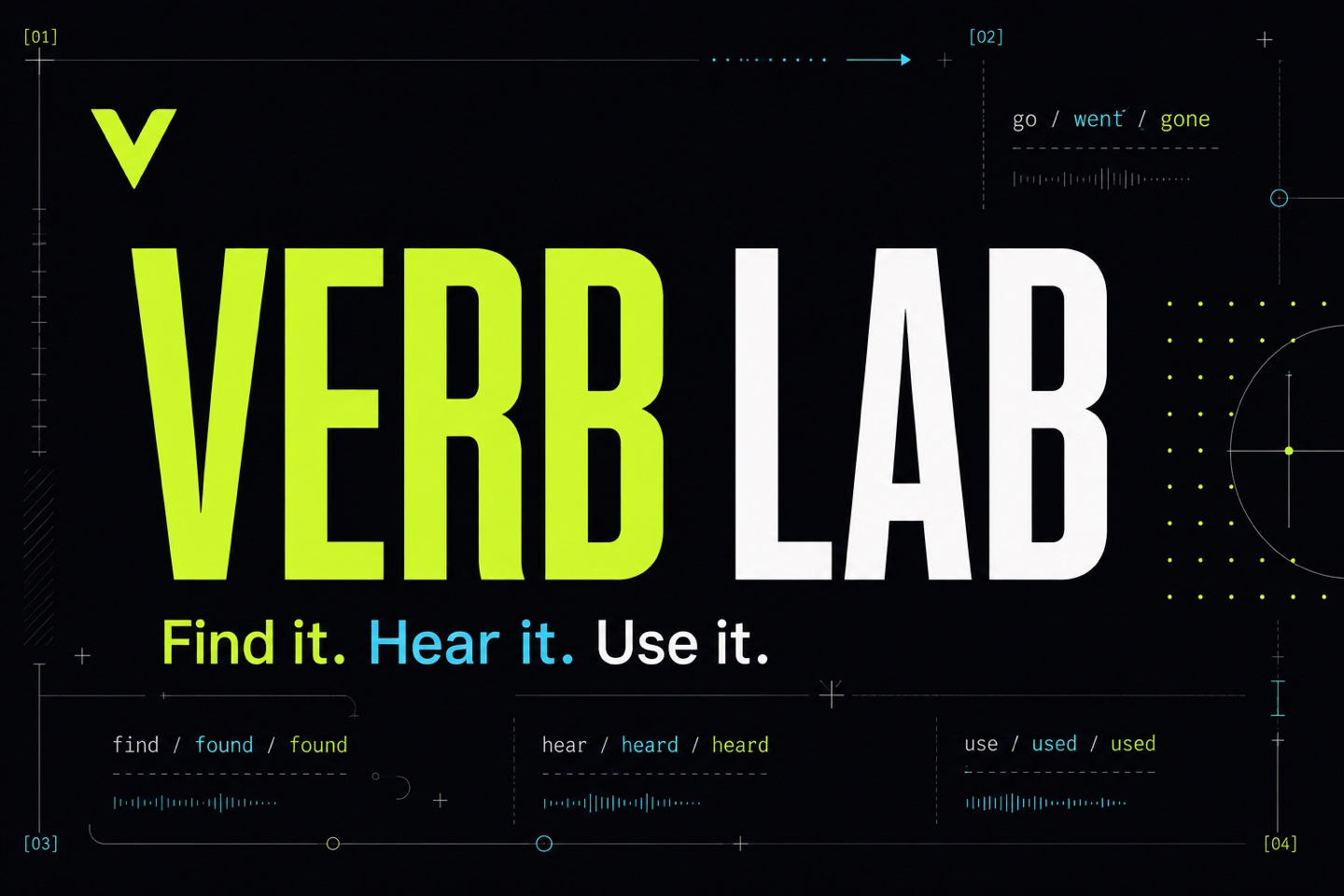
Learn verbs in your browser. Keep practising on iPhone.
About this project
A language-learning website and native iPhone app for English and other languages. Search verbs, explore conjugation tables, listen to pronunciation and practise active recall with multilingual explanations. The web version works on phones, tablets and desktop browsers.
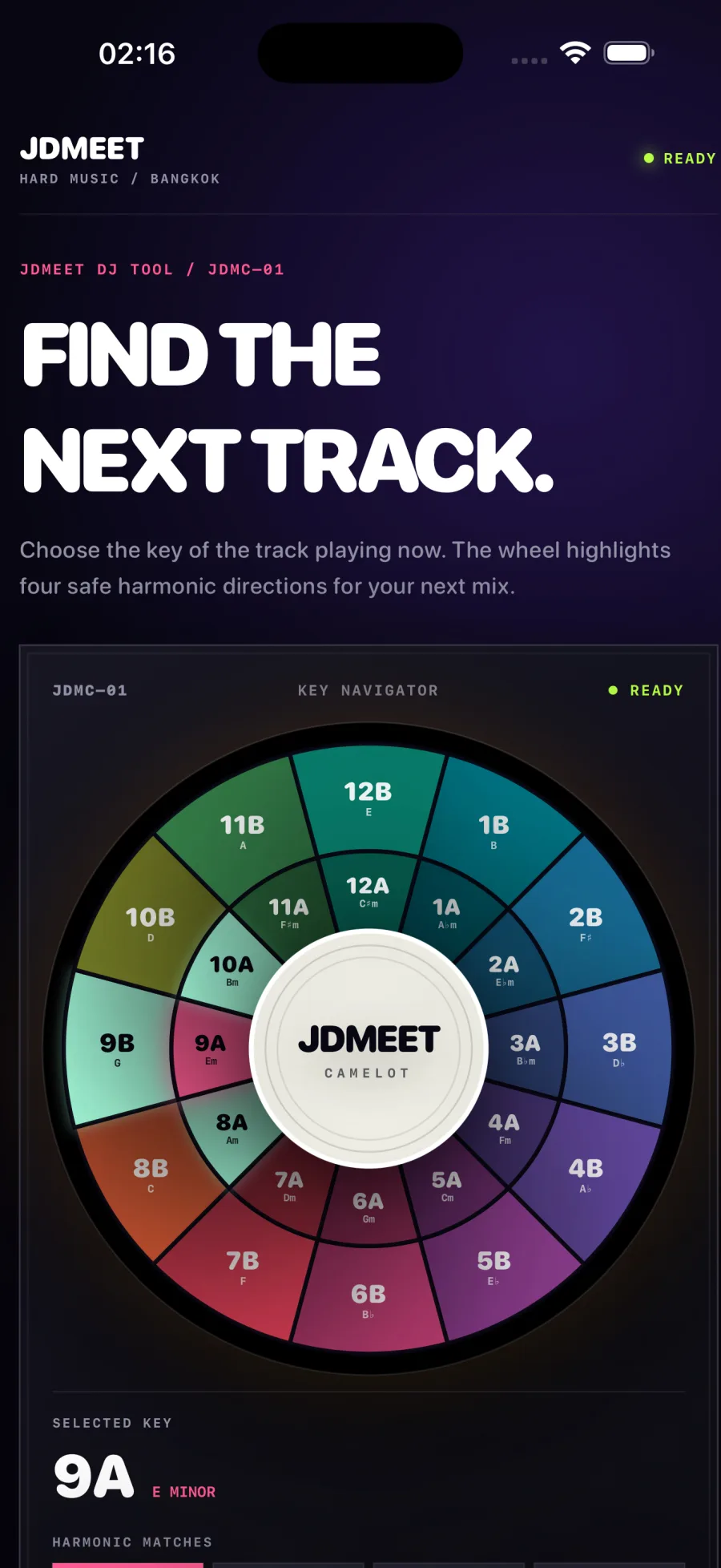
An offline harmonic-mixing companion for iPhone and iPad. Choose a key on the 24-key Camelot wheel to see compatible neighbours and relative major or minor keys. Includes haptic feedback and VoiceOver support, with no account or advertising.
A practical scope for website maintenance, monitoring, backups, lead delivery, reporting and accountable support—plus the items that need separate approval.
Map a Google Ads landing-page lead from accepted form to delivery, qualification and customer outcome with a practical search-to-sale measurement plan.
A copy-ready Google Ads landing page brief connecting search intent, ad promise, proof, qualification, tracking, lead routing and launch acceptance before design begins.
A practical framework for deciding whether to redesign the current website, rebuild the platform or improve the highest-leverage pages without replacing everything.
A realistic website redesign or rebuild timeline covering discovery, copy, development, content and SEO migration, integrations, quality assurance and launch.
Web application development typically costs $10,000–$100,000+, depending on workflows, roles, data, integrations and risk. Compare practical 2026 scope bands.
How North Growth Lab designed and built a responsive six-pad rhythm sampler with real audio, rapid retriggering and live waveform feedback for the JDMEET artist website.
Landing page or website for Google Ads? Use a six-check decision matrix, hotel and design-studio examples, and a practical brief to choose the right destination.
A transparent guide to landing-page scope, cost drivers and budgeting for businesses that need qualified leads from paid search—not a decorative one-page design.
A practical decision framework for choosing a website, web application, iOS or Android app—and knowing when the business needs a connected combination.
Compare iOS, Android and simultaneous mobile development by audience, product behavior, device requirements, release operations and commercial evidence.
How we rebuilt our studio website around real projects, distinct service pages and crawlable content, with a practical release record and clear measurement limits.
Building a Playable MPC Sampler for a Music Producer Website
Updated August 25, 2026
How North Growth Lab designed and built a responsive six-pad rhythm sampler with real audio, rapid retriggering and live waveform feedback for the JDMEET artist website.
This is a factual build case study for the live JDMEET artist website. It describes the shipped interface and implementation; it does not claim unverified engagement, ranking or streaming outcomes.
The brief was to make the artist website playable.
JDMEET is a hard-techno, hardcore and hardstyle producer built for an international audience. A conventional artist homepage could present releases, biography and booking links, but it would not communicate the physical, immediate character of the music. The stronger idea was to let a visitor perform a tiny fragment of that identity before opening Spotify.
We designed a browser-based rhythm unit inspired by the directness of classic pad samplers without copying a branded hardware faceplate. The result is the JM-04: a dedicated interaction section with six large pads, a compact status display and sound-reactive motion. It sits inside the live artist site rather than opening as a separate demo or novelty page.
Six sounds create a useful miniature instrument.
The samples come from the producer's own working library and are delivered as compressed web audio rather than synthesized approximations. That keeps the interaction connected to the real production environment while reducing the transfer size of each one-shot.
The six-pad set is deliberately compact. It gives visitors enough contrast to build a recognizable pattern without turning the homepage into a complicated DAW interface that requires instructions.
Pad
KICK
Role
Hard-rave low-end anchor
Interaction goal
Immediate full-body impact
Pad
HAT
Role
Short high-frequency pulse
Interaction goal
Fast repeated rhythm
Pad
SNARE
Role
Hard-techno backbeat
Interaction goal
Clear contrast with the kick
Pad
CLAP
Role
Wider transient layer
Interaction goal
Alternative backbeat colour
Pad
VOCAL
Role
Short vocal phrase
Interaction goal
Human hook and interruption
Pad
FX
Role
Turntable-style scratch
Interaction goal
Texture, punctuation and play
Rapid retriggering required a small polyphonic audio engine.
A single HTML audio element is not enough for finger drumming. Restarting the same element on every tap cuts off the sound that is already playing, so quick patterns feel broken. The sampler prepares a small pool of audio voices for each pad and rotates through them as new pointer events arrive. Earlier hits can decay while the next hit begins immediately.
The kick has a larger voice pool because it is the sound most likely to be tapped repeatedly. Every other one-shot also has multiple available voices. Samples preload on first use, pointer input keeps latency low on touch screens, and keyboard activation remains available for visitors who do not use a pointer.
Pointer-down triggering responds at the start of a tap rather than waiting for a full click cycle.
Per-pad volume balances keep contrasting source files inside one playable unit.
Independent voice indexes support overlapping hits without maintaining a heavy audio framework.
Native controls are avoided, but the pads remain semantic buttons with descriptive accessible labels.
The display makes sound visible without pretending to be an analyser.
Each trigger updates the name of the active pad and restarts a thirty-two-bar waveform animation inside the display. The bars expand from the centre, then decay through a short sequence of opacity and scale changes. The motion is an expressive response to the event—not a claim that the browser is plotting a scientific frequency analysis of the sample.
That distinction matters. A convincing interface does not need false precision. It needs a clear relationship between action and response: tap a pad, hear the sound, see the display react, then combine the next hit.
Mobile changed the composition, not just the dimensions.
The sampler becomes most interesting on a phone because thumbs turn the page into a pocket instrument. On smaller screens the six pads switch from three columns to a symmetrical two-by-three grid. The machine, screen, labels and pads are sized as one focused section using the dynamic viewport height, so a visitor encounters a coherent play surface while scrolling.
We tested the layout across several narrow viewport sizes, checked for horizontal overflow and verified that every audio asset returns successfully. The visual hierarchy keeps the live display above the pads and gives every trigger a large, stable touch target.
Interactive brand work should earn its place.
The JM-04 is not a generic animation added to make the page feel expensive. It expresses the artist's medium, gives the visitor a memorable action and demonstrates the aggressive rhythmic palette before the streaming call to action. The rest of the site still handles the practical jobs: music discovery, release promotion, production writing, mixing and mastering enquiries, and international booking.
The useful pattern is transferable. A strong website interaction connects what a business does with something a visitor can understand through action. For a producer that can be playable sound. For another product it might be a diagnostic, calculator, configurator or visual comparison. The technology is secondary to choosing the right interaction for the story.