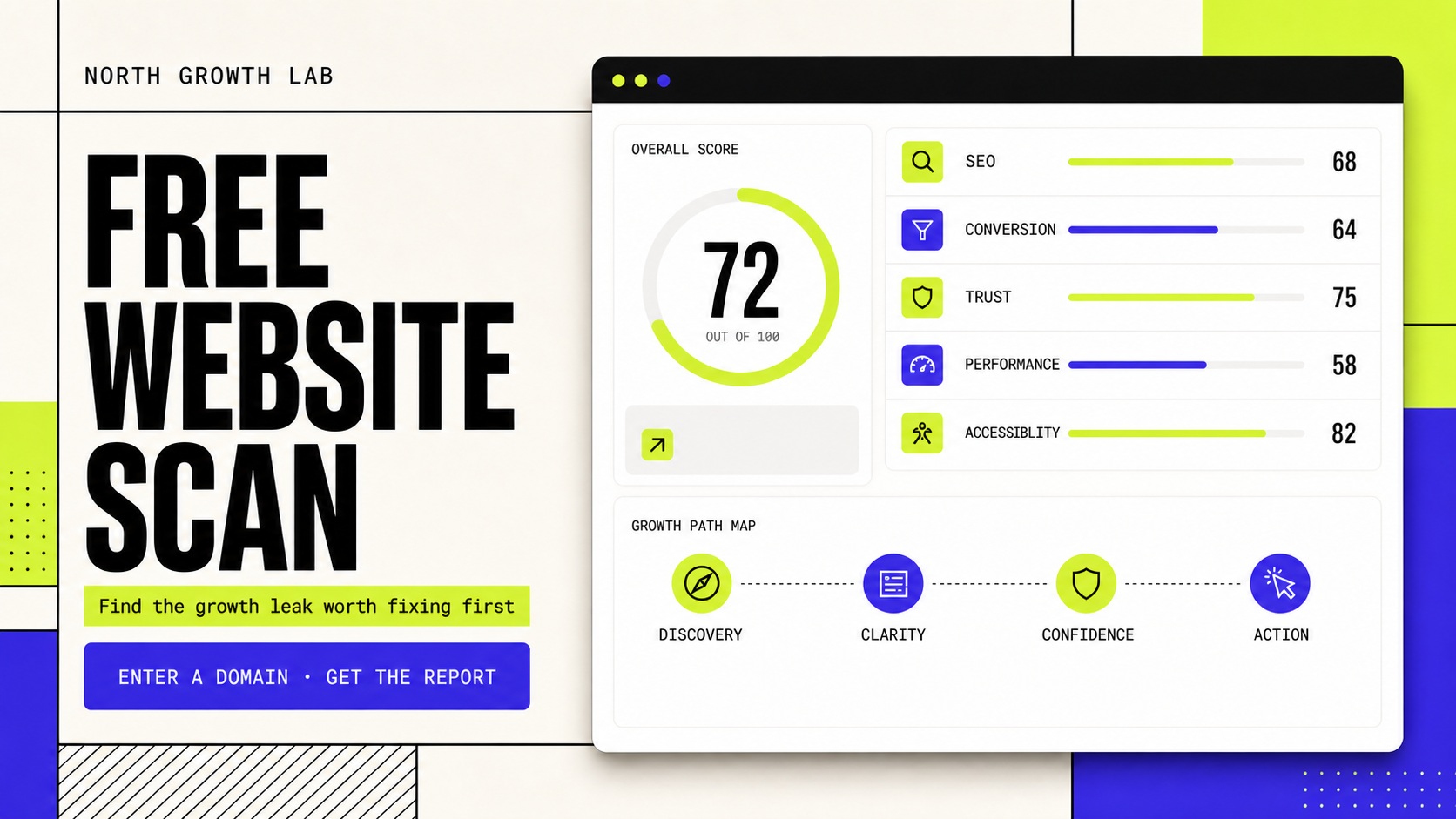
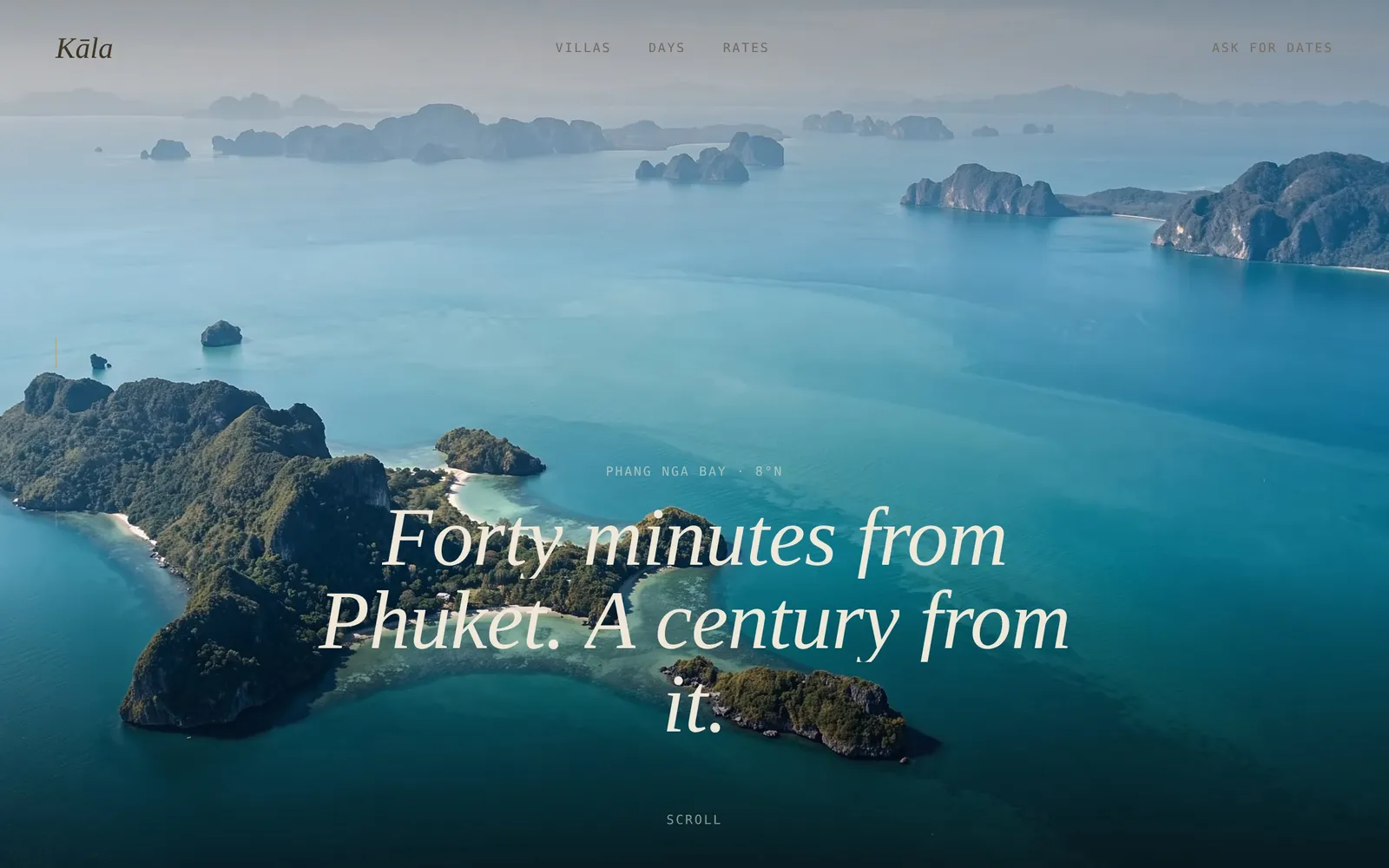
Client websites, our own working products and native apps. Two selected hospitality and brand concepts are clearly labelled.
LIVE PRODUCT
WE ARE MK STUDIO
A marketing studio with a personal point of view.
About this project
A complete identity and website for Madina Kabidenova’s marketing studio. The MK monogram, blue palette and scroll-controlled film lead into case studies and a callback form connected to Telegram and corporate email.
Our live JD Studio website brings web design, application development and automation into one studio identity, with motion-led storytelling, selected work and a direct project enquiry path.
An artist website for a Bangkok-based DJ performing across Asia. Live-session video, selected SoundCloud mixes and direct Telegram booking bring his sound and identity together.
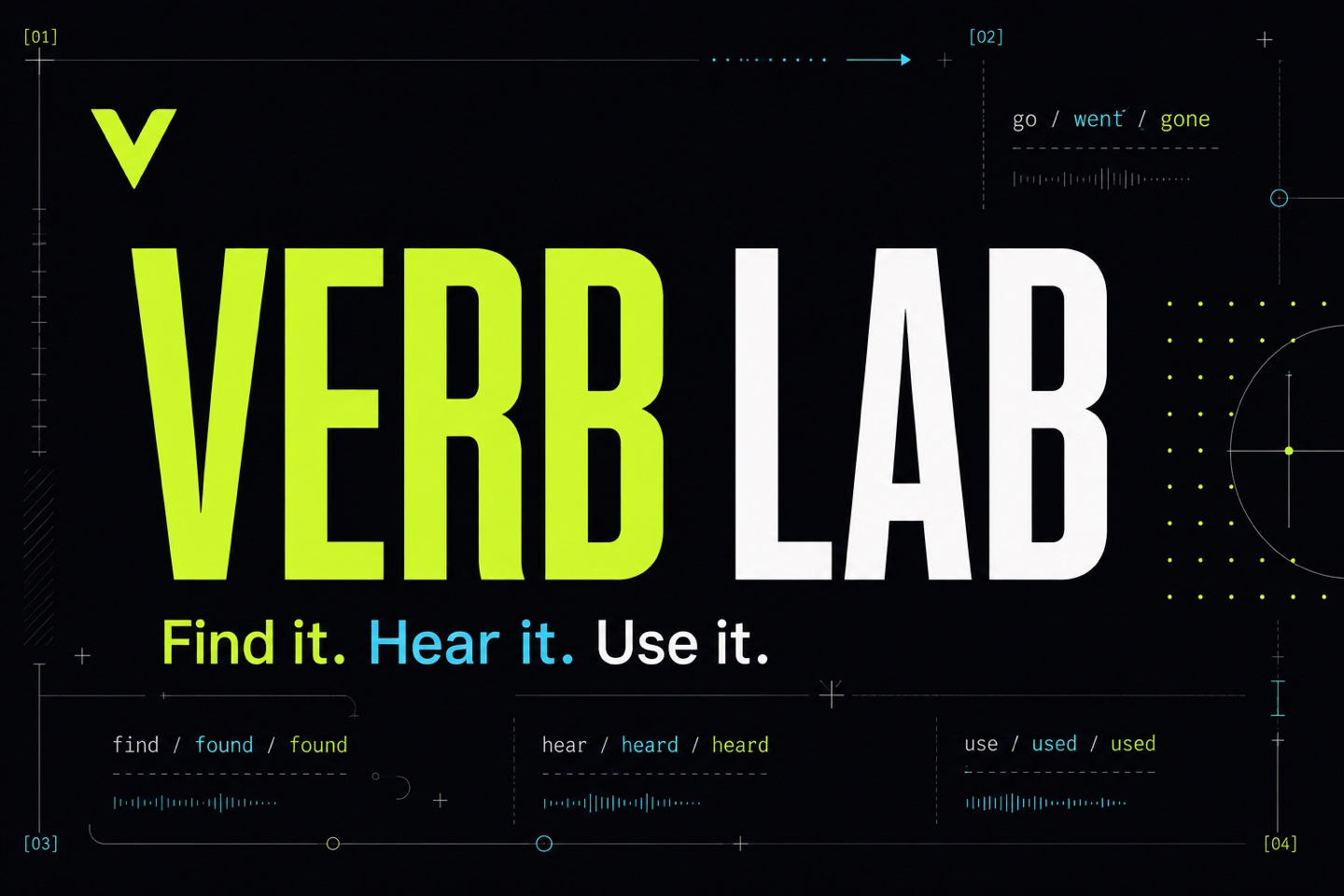
Learn verbs in your browser. Keep practising on iPhone.
About this project
A language-learning website and native iPhone app for English and other languages. Search verbs, explore conjugation tables, listen to pronunciation and practise active recall with multilingual explanations. The web version works on phones, tablets and desktop browsers.
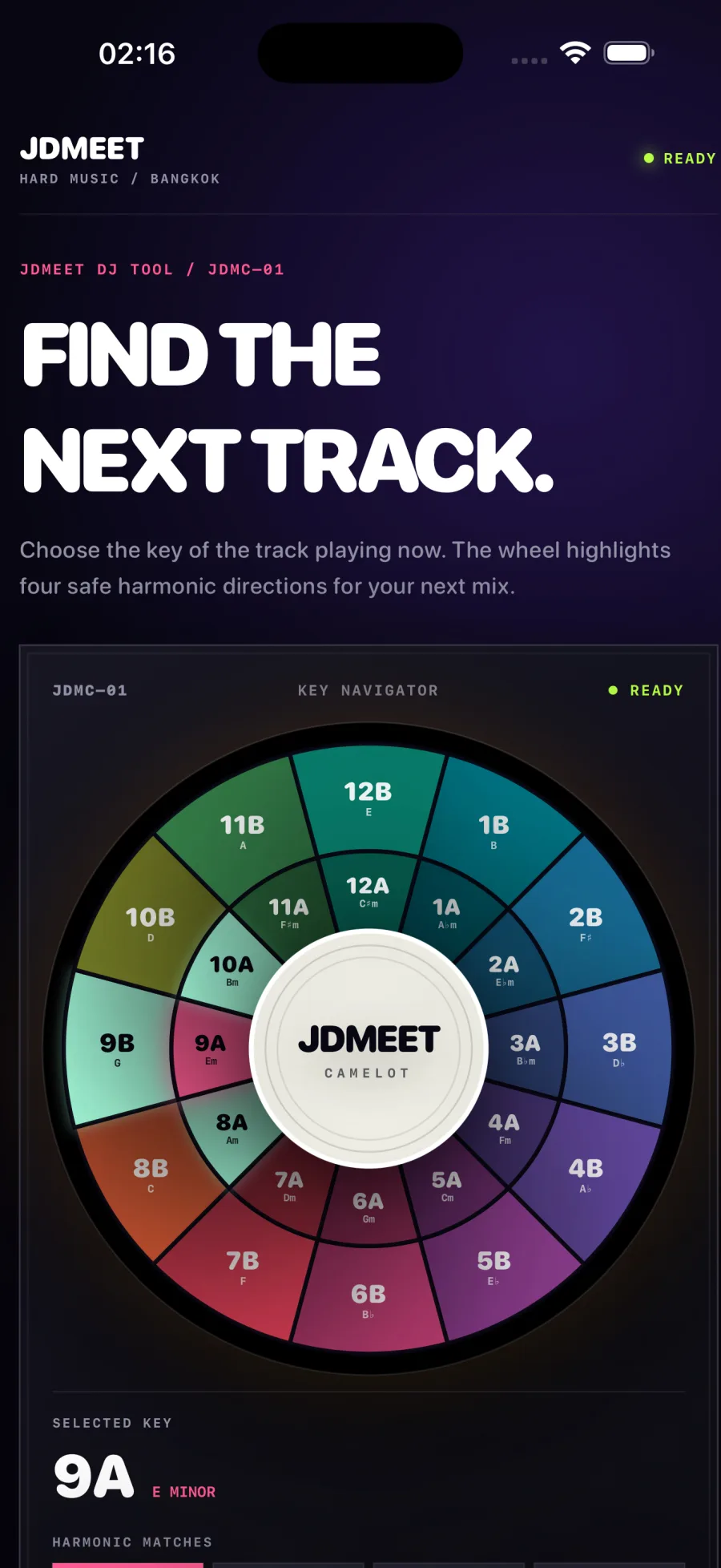
An offline harmonic-mixing companion for iPhone and iPad. Choose a key on the 24-key Camelot wheel to see compatible neighbours and relative major or minor keys. Includes haptic feedback and VoiceOver support, with no account or advertising.
A practical scope for website maintenance, monitoring, backups, lead delivery, reporting and accountable support—plus the items that need separate approval.
Map a Google Ads landing-page lead from accepted form to delivery, qualification and customer outcome with a practical search-to-sale measurement plan.
A copy-ready Google Ads landing page brief connecting search intent, ad promise, proof, qualification, tracking, lead routing and launch acceptance before design begins.
A practical framework for deciding whether to redesign the current website, rebuild the platform or improve the highest-leverage pages without replacing everything.
A realistic website redesign or rebuild timeline covering discovery, copy, development, content and SEO migration, integrations, quality assurance and launch.
Web application development typically costs $10,000–$100,000+, depending on workflows, roles, data, integrations and risk. Compare practical 2026 scope bands.
How North Growth Lab designed and built a responsive six-pad rhythm sampler with real audio, rapid retriggering and live waveform feedback for the JDMEET artist website.
Landing page or website for Google Ads? Use a six-check decision matrix, hotel and design-studio examples, and a practical brief to choose the right destination.
A transparent guide to landing-page scope, cost drivers and budgeting for businesses that need qualified leads from paid search—not a decorative one-page design.
A practical decision framework for choosing a website, web application, iOS or Android app—and knowing when the business needs a connected combination.
Compare iOS, Android and simultaneous mobile development by audience, product behavior, device requirements, release operations and commercial evidence.
How we rebuilt our studio website around real projects, distinct service pages and crawlable content, with a practical release record and clear measurement limits.
SEO for Service Business Websites: Build the Foundation First
Updated August 21, 2026
A service-business SEO architecture for turning real jobs, proof, service areas and lead paths into crawlable pages without thin location-page sprawl.
Start with a finite map of jobs people can actually buy.
The foundation of service-business SEO is not a volume of posts or city pages. It is a finite map from the situations customers search for to the pages the business can support with a real service, operating evidence and a useful next step. If the company cannot define who handles the job, where it can be delivered and what happens after the inquiry, another indexable page will not solve the commercial gap.
Begin with the job ledger used by the business: service type, planned or urgent demand, residential or commercial buyer, service boundary, proof available, intake owner and desired action. Group situations that share the same offer and evidence. Split them only when the buyer needs materially different information, proof, qualification or response expectations.
Search situation
Active leak or water ingress
Accountable page owner
The relevant plumbing or restoration service page
Evidence the page needs
Coverage, availability, triage boundary and intake details
Useful next action
Call or send the minimum dispatch information
Search situation
Planned roof replacement
Accountable page owner
The roofing service page for that project type
Evidence the page needs
Systems, inspection process, property fit and project evidence
Useful next action
Request an inspection or scoped estimate
Search situation
Panel or service upgrade
Accountable page owner
The electrician service page
Evidence the page needs
Job types, licensing context, process and site requirements
Useful next action
Start a project consultation
Search situation
Company or brand search
Accountable page owner
Homepage
Evidence the page needs
Identity, service range, operating area and clear routes
Useful next action
Choose the relevant service or contact path
Give each search situation one accountable page owner.
Page ownership prevents two opposite failures: one generic page trying to answer every job, and many near-duplicate pages competing for the same job. Assign one primary URL to each meaningful search situation. Supporting guides may explain costs, timing, comparisons or preparation, but they should link back to the service page that owns the commercial action instead of imitating it.
A page deserves to exist when it changes the decision. A roof-replacement page and an emergency roof-repair page can be separate if their urgency, evidence, process and intake differ. Two pages that describe the same roof-replacement offer with different keyword order should usually be one stronger page. Record the decision in a page ledger before writing copy so future additions do not recreate the overlap.
Page role
Homepage
What it owns
Business identity, primary categories and routing
What it should not do
Repeat every service or target every city
Page role
Service page
What it owns
One buyable job family and its inquiry path
What it should not do
Become a generic educational article
Page role
Industry page
What it owns
A genuinely different buyer, workflow or proof set
What it should not do
Swap an industry noun into identical copy
Page role
Buyer guide
What it owns
A pre-inquiry question, method or decision
What it should not do
Compete with the service page for the same action
Page role
Market page
What it owns
A market-specific operating difference backed by evidence
What it should not do
Exist only because a location has search volume
Make the priority pages mechanically discoverable.
Search engines discover pages through links and sitemaps. Every priority page should be reachable from a stable crawlable route using words that describe the destination. A sitemap can introduce a URL, but it cannot replace a coherent link path, demonstrate that the page matters or guarantee indexing.
Run a release acceptance check from the rendered production page, not only from a content spreadsheet. The goal is to prove that a visitor and a crawler receive the same accessible document, can reach the next relevant page and do not encounter contradictory indexing signals.
Confirm an HTTP 200 response, one clear H1, an indexable robots directive and a self-referencing canonical.
Link the page from a relevant hub, service page or guide with an ordinary href and descriptive anchor text.
Keep the navigation, canonical, sitemap entry and internal links on the same preferred URL format.
Return a real 404 for missing content and redirect a retired URL only to the closest useful replacement.
Verify title, description, social metadata, appropriate structured data, mobile layout and the inquiry path after release.
Inspect the URL in Search Console after a meaningful release; do not repeatedly request indexing when the live page is already eligible.
Separate emergency, planned and commercial lead paths.
A service keyword is not the whole intent. The same trade can receive an emergency homeowner query, a planned replacement query and a commercial procurement query. These visitors need different response promises and qualification details even when the work is performed by the same company.
Do not force an emergency visitor through a long generic project form, and do not promise immediate dispatch when the business only schedules consultations. State the operating boundary accurately. The page, primary action and lead routing should preserve the urgency that brought the visitor there.
Demand state
Emergency
Page emphasis
Coverage, availability, safety boundary and triage
Primary action
Call or rapid request
Lead data that matters first
Location, problem, safety constraint and callback details
Demand state
Planned residential
Page emphasis
Fit, options, process, proof and expectations
Primary action
Inspection or estimate request
Lead data that matters first
Property, project type, timing and current condition
Demand state
Commercial
Page emphasis
Capability, documentation, coordination and procurement fit
Primary action
Project consultation
Lead data that matters first
Site count, stakeholders, requirements and decision timeline
Treat geography as evidence, not a keyword template.
A service-area page is useful when the market changes the offer: regulations, climate, availability, response expectations, examples or the operating process. A city name swapped into otherwise identical text does not create local expertise. Before publishing a market URL, write down the specific difference the page will help a buyer understand and the evidence the business can maintain.
An accurate service boundary is more valuable than a broad claim the operations team cannot honor. Use staffed locations only where they exist, distinguish a service area from an office, and keep addresses, phone numbers, hours and availability consistent with the real business. Do not manufacture virtual offices, local projects or customer proof for rankings.
Useful geographic signal
Real service boundary and response expectations
Weak substitute
A list of every city in a footer
Useful geographic signal
Local project evidence with specific context
Weak substitute
Stock images labelled with a city
Useful geographic signal
Accurate staffed location or declared service area
Weak substitute
Virtual offices created for rankings
Useful geographic signal
Market-specific climate, regulation or process guidance
Weak substitute
Identical pages with place names replaced
Build an evidence inventory before adding pages.
Content quality is constrained by the evidence the business can responsibly publish. Create an inventory before expanding the architecture: project types, service boundaries, team qualifications, process artifacts, photographed work, common constraints, warranties, response rules and measurable outcomes. Label what is verified, confidential, illustrative or unavailable.
Use the inventory to improve the pages closest to revenue. A roofing page may need inspection and system-selection evidence; an electrician page may need job and licensing context; a plumbing page may need triage and service-boundary clarity; a restoration page may need a clear emergency handoff. These are not decorative industry keywords. They are different information requirements in the buyer journey.
Publish customer names, testimonials, results and project photographs only with support and permission.
Explain the actual delivery process instead of substituting adjectives such as trusted, best or leading.
Use original checklists, calculations, templates or decision records when they make the buyer's next step easier.
Link evidence to the service page it supports and link the service page back to the relevant guide.
Remove or qualify a claim when the team cannot show how it knows the claim is true.
Run a ninety-day plan with explicit gates.
The goal is not maximum publishing speed. It is a small, connected set of commercial pages and genuinely useful support assets that become more credible over time. Search impressions reveal language and demand; qualified inquiries reveal whether the page attracts a job the business wants and can serve.
Use complete comparison periods and record the query, landing page, CTA, form start, accepted submission and delivered lead as separate stages. Do not call a page a conversion winner from a handful of visits. Preserve the measurement setup until enough qualified external sessions exist to support a decision.
Window
Weeks 1–2
Completed work
Resolve response, canonical, robots, sitemap, internal-link, mobile and lead-delivery defects
Gate before expanding
Priority money pages are eligible, reachable and represented once
Window
Weeks 3–4
Completed work
Improve the two service pages nearest revenue using the job and evidence ledgers
Gate before expanding
Each page owns a distinct search situation and a working inquiry path
Window
Month 2
Completed work
Publish one original buyer asset for each proven priority cluster and link it bidirectionally
Gate before expanding
Relevant non-brand queries and pages begin entering measurable positions
Window
Month 3
Completed work
Add one defensible case study, calculator, comparison or template worth keeping current
Gate before expanding
Qualified organic visits grow and the full lead chain is observable
Service-business SEO foundation questions.
How many service pages should a local service business have?
Create as many pages as there are materially different buyable services with distinct buyer information, evidence or intake requirements. There is no useful universal count. Keep closely overlapping offers on one stronger page and give every retained page an accountable role in the site map.
Do service-area pages help a business rank locally?
A service-area page can be useful when it communicates a real market difference such as operating coverage, climate, regulation, availability, examples or process. Repeating the same page with place names changed creates little buyer value and can produce a large set of weak, overlapping URLs.
Should emergency and planned services share one page?
They can share a page when the offer, evidence and response path are genuinely the same. Separate them when urgency changes the information, qualification, availability promise or lead routing. The site should preserve the visitor's demand state without claiming an emergency response the business cannot deliver.
Does submitting a sitemap guarantee Google will index a page?
No. A sitemap supports discovery but does not guarantee crawling, indexing or ranking. The page still needs to be accessible, internally linked, canonicalized consistently and useful enough for Google to select for indexing.
What should be measured before publishing more SEO content?
Track Search Console queries, impressions, clicks and landing pages alongside qualified production sessions, CTA use, form starts, accepted submissions, delivered leads and sales qualification. Add content to close a demonstrated search or buyer gap, not only to meet a publishing schedule.
When should two service pages be consolidated?
Consolidate when both pages target the same buying situation, repeat the same evidence and route to the same action without a meaningful operating difference. Choose the stronger canonical destination, move useful material, update internal links and redirect the retired URL to that closest replacement.