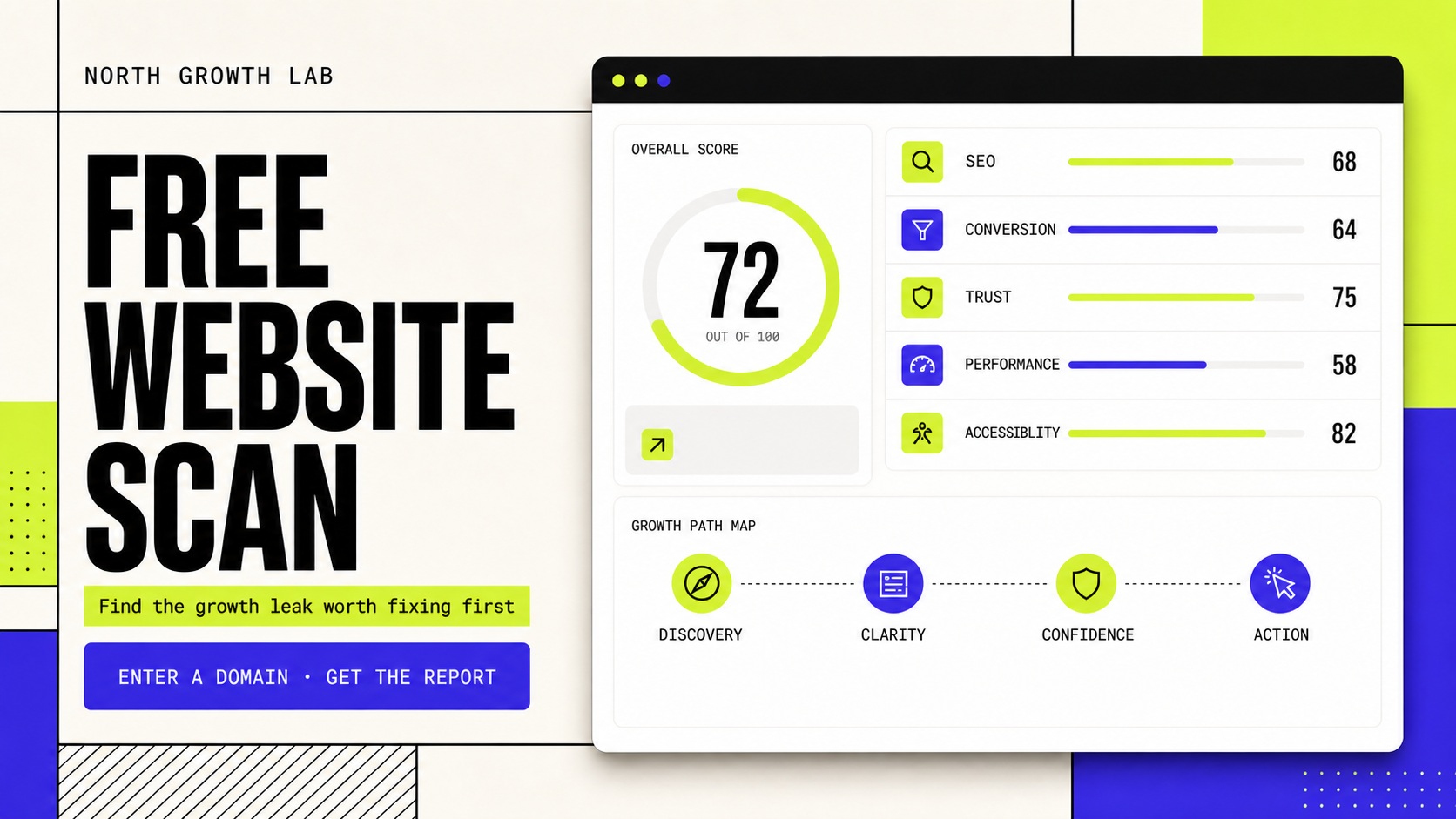
Client websites, our own working products and native apps. Two selected hospitality and brand concepts are clearly labelled.
LIVE PRODUCT
WE ARE MK STUDIO
A marketing studio with a personal point of view.
About this project
A complete identity and website for Madina Kabidenova’s marketing studio. The MK monogram, blue palette and scroll-controlled film lead into case studies and a callback form connected to Telegram and corporate email.
Our live JD Studio website brings web design, application development and automation into one studio identity, with motion-led storytelling, selected work and a direct project enquiry path.
An artist website for a Bangkok-based DJ performing across Asia. Live-session video, selected SoundCloud mixes and direct Telegram booking bring his sound and identity together.
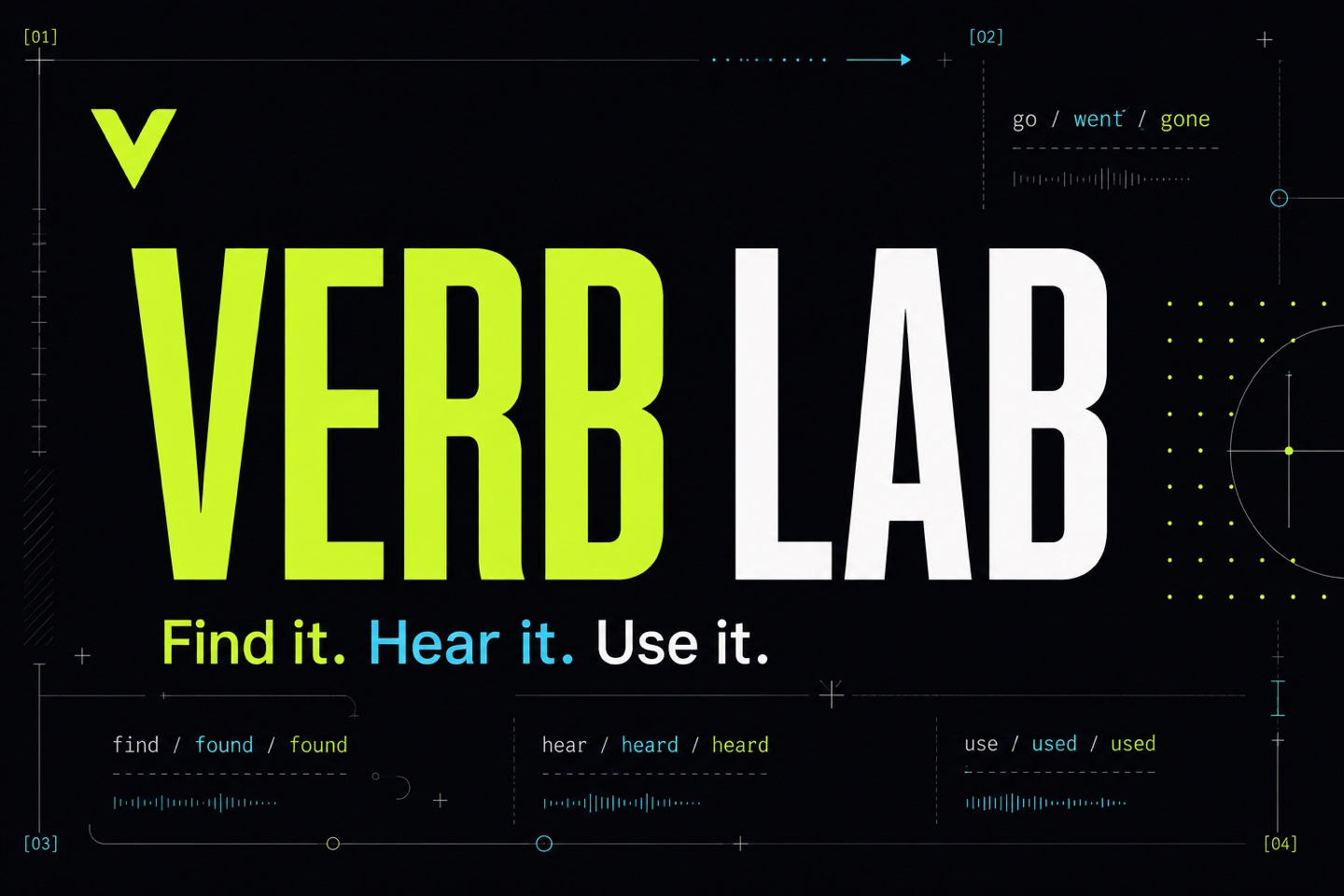
Learn verbs in your browser. Keep practising on iPhone.
About this project
A language-learning website and native iPhone app for English and other languages. Search verbs, explore conjugation tables, listen to pronunciation and practise active recall with multilingual explanations. The web version works on phones, tablets and desktop browsers.
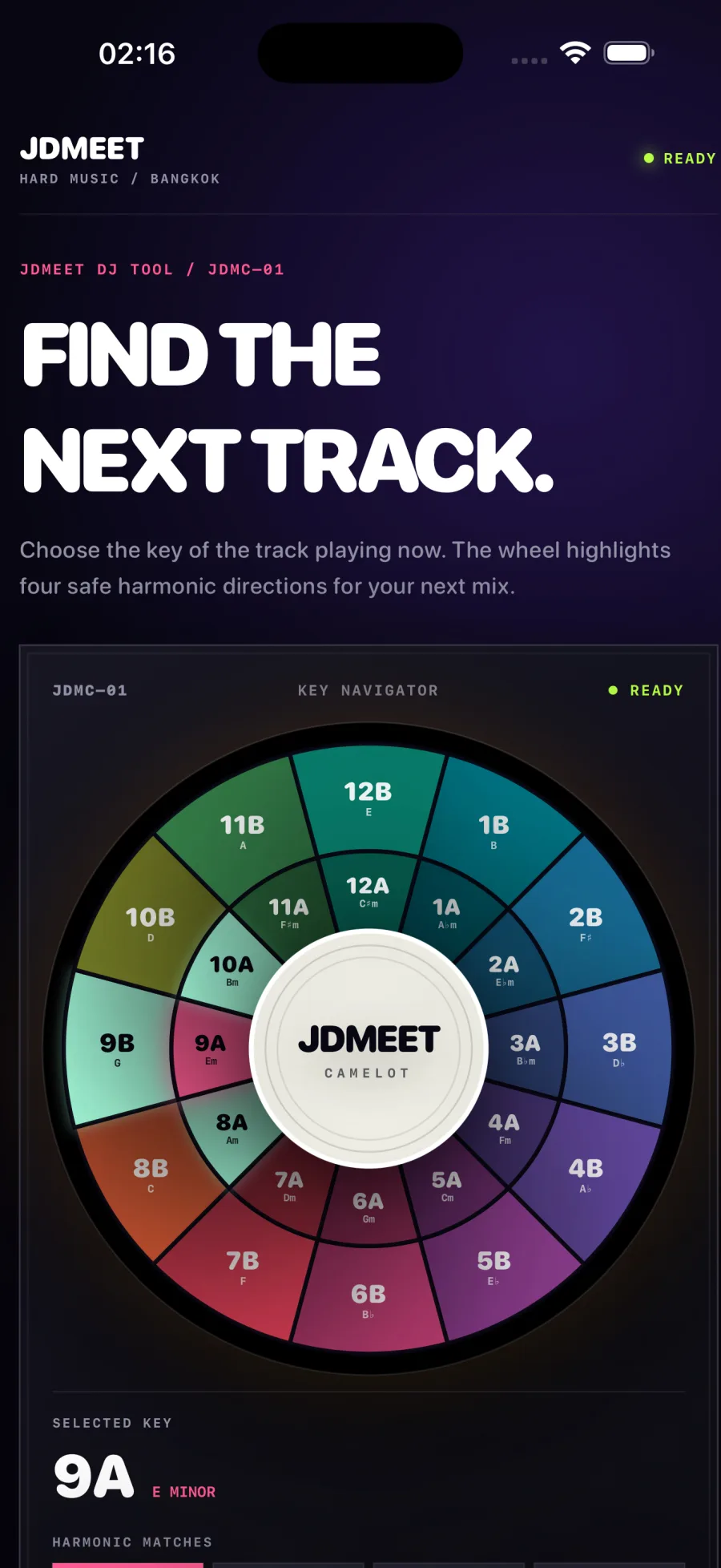
An offline harmonic-mixing companion for iPhone and iPad. Choose a key on the 24-key Camelot wheel to see compatible neighbours and relative major or minor keys. Includes haptic feedback and VoiceOver support, with no account or advertising.
A practical scope for website maintenance, monitoring, backups, lead delivery, reporting and accountable support—plus the items that need separate approval.
Map a Google Ads landing-page lead from accepted form to delivery, qualification and customer outcome with a practical search-to-sale measurement plan.
A copy-ready Google Ads landing page brief connecting search intent, ad promise, proof, qualification, tracking, lead routing and launch acceptance before design begins.
A practical framework for deciding whether to redesign the current website, rebuild the platform or improve the highest-leverage pages without replacing everything.
A realistic website redesign or rebuild timeline covering discovery, copy, development, content and SEO migration, integrations, quality assurance and launch.
Web application development typically costs $10,000–$100,000+, depending on workflows, roles, data, integrations and risk. Compare practical 2026 scope bands.
How North Growth Lab designed and built a responsive six-pad rhythm sampler with real audio, rapid retriggering and live waveform feedback for the JDMEET artist website.
Landing page or website for Google Ads? Use a six-check decision matrix, hotel and design-studio examples, and a practical brief to choose the right destination.
A transparent guide to landing-page scope, cost drivers and budgeting for businesses that need qualified leads from paid search—not a decorative one-page design.
A practical decision framework for choosing a website, web application, iOS or Android app—and knowing when the business needs a connected combination.
Compare iOS, Android and simultaneous mobile development by audience, product behavior, device requirements, release operations and commercial evidence.
How we rebuilt our studio website around real projects, distinct service pages and crawlable content, with a practical release record and clear measurement limits.
A copy-ready Google Ads landing page brief connecting search intent, ad promise, proof, qualification, tracking, lead routing and launch acceptance before design begins.
Copy this Google Ads landing page brief before requesting a design.
A useful landing-page brief is a decision contract between the media buyer, business owner, copywriter, designer, developer and sales team. It should explain which search situation the page serves, what the ad promises, what proof exists, who should respond and how the team will know that the handoff worked. Without that agreement, every specialist can complete a task while the campaign still loses the lead between the click and the first sales response.
Copy the fields below into the project document. Keep each answer specific enough that another person could challenge it. If the same answer applies to several unrelated ad groups, the page may be too broad or the campaign structure may need work before production starts.
Brief block
Campaign job
Required decision
The one commercial action the page must support
Example format
Book an eligible assessment—not collect every possible inquiry
Brief block
Search situation
Required decision
What the visitor is trying to resolve now
Example format
Service + problem + market + urgency
Brief block
Ad promise
Required decision
The claim the first screen must continue honestly
Example format
Same service, availability, scope and next step
Brief block
Buyer fit
Required decision
Who qualifies, who does not and what changes routing
Example format
Service area, property or company type, timing and need
Brief block
Evidence
Required decision
Proof available for each important claim
Example format
Process, credentials, real examples, policy or accountable identity
Brief block
Conversion
Required decision
The observable action that creates a usable lead
Example format
Successful form, confirmed booking or connected call
Brief block
Handoff
Required decision
Where the lead goes, who owns it and when they respond
Example format
Inbox or CRM, named owner, backup route and response expectation
Brief block
Decision rule
Required decision
When the team will review and what can change
Example format
Technical QA at launch; commercial judgment after enough qualified traffic
Start with the business outcome and work backward to the page action.
The page should not optimize for a form submission that sales cannot use. Define a qualified lead in operational terms: eligible service, relevant market, contactable person, realistic timing and any commercial threshold that genuinely changes the response. Then decide the smallest amount of information needed to route that person responsibly.
Separate the page conversion from the business conversion. A successful request can be measured immediately; qualification, appointment, proposal and customer outcomes happen later. The brief should name who records each stage so the advertising team does not mistake raw volume for profitable demand.
Primary business outcome: the eventual customer action the campaign should influence.
Page conversion: the successful online action the page can verify directly.
Qualification rule: the consistent criteria used after the inquiry arrives.
Sales stages: contacted, qualified, booked, proposed, won or lost—with a reason where useful.
Feedback owner: the person responsible for returning lead-quality data to the campaign review.
Map each ad group to one honest message path.
Google describes landing-page experience as the relevance and usefulness of the destination to people who click the ad. The practical brief therefore begins before the headline: list the priority search situation, the ad message, the page promise and the action as one row. Split the path when the service, urgency, geography, evidence or next step becomes materially different—not for every close keyword variation.
Input
Search intent
Question to answer
What problem or purchase is the person naming?
Page consequence
The H1 and first explanation confirm that situation
Input
Ad promise
Question to answer
What specific expectation earned the click?
Page consequence
The first screen continues it without expanding the claim
Input
Eligibility
Question to answer
Which visitors can the business actually serve?
Page consequence
Fit and exclusions appear before unnecessary form effort
Input
Proof
Question to answer
What evidence makes this promise credible?
Page consequence
Evidence sits near the claim or commitment it supports
Input
Action
Question to answer
What is the responsible next step for this intent?
Page consequence
One primary CTA describes exactly what happens next
Write the offer, objection and proof inventory before the wireframe.
A wireframe cannot solve missing commercial evidence. The brief should state what the visitor receives, what commitment is required, when the business responds and what is not promised. It should also list the objections that a suitable buyer must resolve before acting—availability, price context, trust, implementation, eligibility or risk—and attach evidence to each one.
Use only evidence the business can verify. Real process detail, accurate policies, accountable people, owned demonstrations and clearly labeled hypothetical examples are stronger than invented testimonials or performance lifts. If proof does not exist yet, record the gap and decide whether the page can launch responsibly without it.
Offer: what the visitor asks for and what they receive next.
Commitment: fields, call length, appointment, payment or access required.
Response expectation: who replies, by which channel and within what operating window.
Objections: the five questions that stop an otherwise suitable buyer.
Proof inventory: the source, owner and placement for each supporting fact.
Prohibited claims: guarantees, urgency or credentials the business cannot substantiate.
Specify qualification and lead routing as part of the product.
Every field must have a job. Ask whether the answer changes eligibility, routing, preparation or priority. Remove fields that sales ignores; add a field only when it prevents a costly back-and-forth or routes the lead to a meaningfully different response. State the privacy context and avoid collecting sensitive information the business does not need through an ordinary marketing form.
The brief should also describe failure states. A success message is not proof that the lead reached a person. Test the destination inbox or CRM, notification fallback, source fields, duplicate behavior and the response owner. If delivery fails, the visitor needs a useful recovery route and the team needs an observable error—not a silent loss.
Handoff field
Form inputs
Decision to record
Required, optional, validation rule and why the answer is needed
Handoff field
Hidden context
Decision to record
Landing page, source, campaign, ad group or other permitted attribution data
Handoff field
Destination
Decision to record
Exact inbox, CRM pipeline, booking system or call destination
Handoff field
Owner
Decision to record
Primary responder, operating hours and backup when unavailable
Handoff field
Success state
Decision to record
What the visitor sees and what has actually been confirmed
Handoff field
Failure state
Decision to record
Visible recovery path, internal error signal and retry behavior
Handoff field
Outcome feedback
Decision to record
Who records qualification and final disposition for campaign review
Define the measurement contract before installing tags.
Google Ads supports separate conversion actions for different website actions and calls. Google Analytics recommends `generate_lead` when a person submits a form or requests information, and its lead-generation event set can continue through qualification and sales outcomes. The names in the brief should describe real states, not visual interactions that merely look like progress.
Preserve click and campaign context deliberately. Google Ads auto-tagging can add a GCLID, while ValueTrack parameters can supply campaign, ad group, device and other click context. The implementation depends on the analytics, consent and CRM stack; the brief should name which fields must survive redirects, form submission and lead delivery, then test them without assuming the platform will carry everything automatically.
Event or record
form_start
Fire or update when
A visitor begins interacting with the lead form
Do not confuse it with
A successful inquiry
Event or record
generate_lead
Fire or update when
The server or destination confirms the valid request
Do not confuse it with
A button click or client-side attempt
Event or record
phone_click
Fire or update when
A person taps the trackable phone action
Do not confuse it with
A connected or qualified call
Event or record
qualify_lead
Fire or update when
The business applies its documented fit criteria
Do not confuse it with
Any contactable submission
Event or record
close_convert_lead
Fire or update when
The agreed customer outcome is recorded
Do not confuse it with
An appointment or proposal
Event or record
delivery_error
Fire or update when
The routing layer cannot complete the handoff
Do not confuse it with
A visitor validation error
Worked example: a hypothetical boutique-hotel private-buyout campaign.
This example is hypothetical and demonstrates the brief—not a client, a live hotel offer or campaign results. Assume an independent boutique hotel accepts exclusive-use enquiries for private celebrations and company retreats. A group organiser needs to judge the setting, capacity, dates and service before discussing a proposal. Ordinary room bookings belong on a different path.
The landing page should make that buying decision easier, not merely look expensive. Show authentic property photography, room and event-space layouts, usable capacity, inclusions and the steps from availability enquiry to a tailored proposal. The reservations team must confirm dates and suitability; a submitted form is not a reservation or a qualified opportunity.
Brief field
Search situation
Hypothetical decision
An organiser comparing exclusive-use boutique hotels for a defined celebration or company retreat
Brief field
Ad promise
Hypothetical decision
Explore private use of the property and request a date-specific proposal; availability remains subject to confirmation
Brief field
First-screen message
Hypothetical decision
The property, exclusive-use offer, verified capacity and a clear request-availability action
Brief field
Buyer fit
Hypothetical decision
Event type, guest count, preferred dates or flexibility and decision-maker; commercial fit confirmed by reservations
Brief field
Proof
Hypothetical decision
Current property photographs, accurate floor plans, room inventory, inclusions and an accountable reservations team
Brief field
Primary conversion
Hypothetical decision
A valid enquiry accepted and delivered with contact details, group size, event type and dates—not a confirmed booking
Brief field
Routing
Hypothetical decision
Group-reservations queue with one owner, a stated response window and a backup when that owner is unavailable
Brief field
Measurement
Hypothetical decision
Form start, accepted enquiry, confirmed delivery, date-and-capacity qualification, proposal and recorded booking outcome
Brief field
Exclusions
Hypothetical decision
No invented room rate, awards, guest reviews, scarcity or available dates; route ordinary room enquiries to the booking path
Turn the brief into launch acceptance—not a subjective reveal.
Approve the page against observable conditions. The final URL loads over HTTPS, the first screen matches the assigned ad promise, mobile users can read and act, form labels and validation work, key evidence is accurate, analytics fires at the correct state and the lead arrives with the expected context. Google also recommends checking mobile usability, simple navigation and loading speed as part of the destination experience.
Technical acceptance can happen before the first paid click. Commercial conclusions cannot. Record the baseline and the minimum evidence required for a decision, then rank the first hypotheses in advance. This prevents the team from changing the headline, offer and form simultaneously after a handful of visits and learning nothing from the spend.
Test the exact final URL, query parameters and any redirects used by the ads.
Verify the canonical, title, indexation choice and crawler behavior intended for the page.
Complete the primary action on a phone and desktop using realistic test data.
Confirm the success event, lead payload, destination, backup notification and visible response expectation.
Record the launch version, campaign mapping and first three evidence-based tests.
Review qualified outcomes and sales feedback—not only the page conversion rate.
Google Ads landing page brief FAQ.
What should a Google Ads landing page brief include?
Include the campaign job, search situation, ad promise, buyer fit, offer, objections, verified proof, primary CTA, form fields, attribution requirements, lead destination, response owner, analytics events, acceptance checks and the evidence threshold for post-launch decisions.
Should every Google Ads ad group have a different landing page?
No. Use the fewest pages that can preserve honest message match. Split the destination when the service, audience, geography, proof, urgency or next action becomes materially different—not for minor keyword variations that share the same buying situation.
Which conversion should a lead-generation landing page track?
Track the successful action the business can verify, such as a delivered form, confirmed booking or connected call. Use separate records for form starts, phone clicks, qualified leads and acquired customers so early interactions are not mistaken for business outcomes.
How long should the brief be?
Long enough to make the commercial, content, technical and ownership decisions explicit. A focused campaign may fit into one or two pages plus an intent map; a regulated or integrated offer may need supporting evidence, data and approval requirements.
Is this template a landing page checklist?
No. The brief assigns the page's job, evidence, measurement and ownership before production. A launch checklist verifies that the built page and handoff satisfy those decisions before paid traffic begins.